Finding the best dryer vent cleaning companies near Fair Lawn, New Jersey starts with understanding what truly sets reliable providers apart. A high-quality service does more than remove visible lint; it evaluates duct materials, identifies airflow bottlenecks, confirms termination function, and leaves you with clear guidance for upkeep. Because homes in Fair Lawn range from classic colonials to modern townhomes, the right company will be comfortable working across diverse layouts, from basement laundry rooms to compact second-floor closets. If you are comparing options and want a straightforward place to begin, consider scheduling professional dryer vent cleaning with a team that combines thorough methods, clear communication, and respect for your home.

The best providers put safety and performance first. They arrive with the right tools, protect floors and walls, and work methodically from the appliance to the exterior termination. They do not rely on shortcuts, and they share what they see—such as crushed connectors or outdated duct materials—so you can make informed decisions. This transparency helps you understand how your system performs today and what simple improvements could keep it running smoothly.

Traits that distinguish top dryer vent cleaning companies

Attention to detail leads the list. Top companies document the route of the vent, note the number of elbows, and pay close attention to transitions behind the dryer where airflow problems often begin. They also verify that the exterior hood opens freely and that no screens or cages trap lint at the exit. When they encounter obstacles like nesting materials or compacted lint, they use specialized tools to clear them safely without damaging the duct.

Another trait is proactive communication. The best companies explain what they are doing and why, and they answer questions with specific references to your home’s layout and materials. They provide realistic maintenance suggestions based on your usage—say, large family laundry cycles or frequent loads of towels and bedding—to help you maintain strong airflow between visits.

Core steps of a thorough dryer vent cleaning

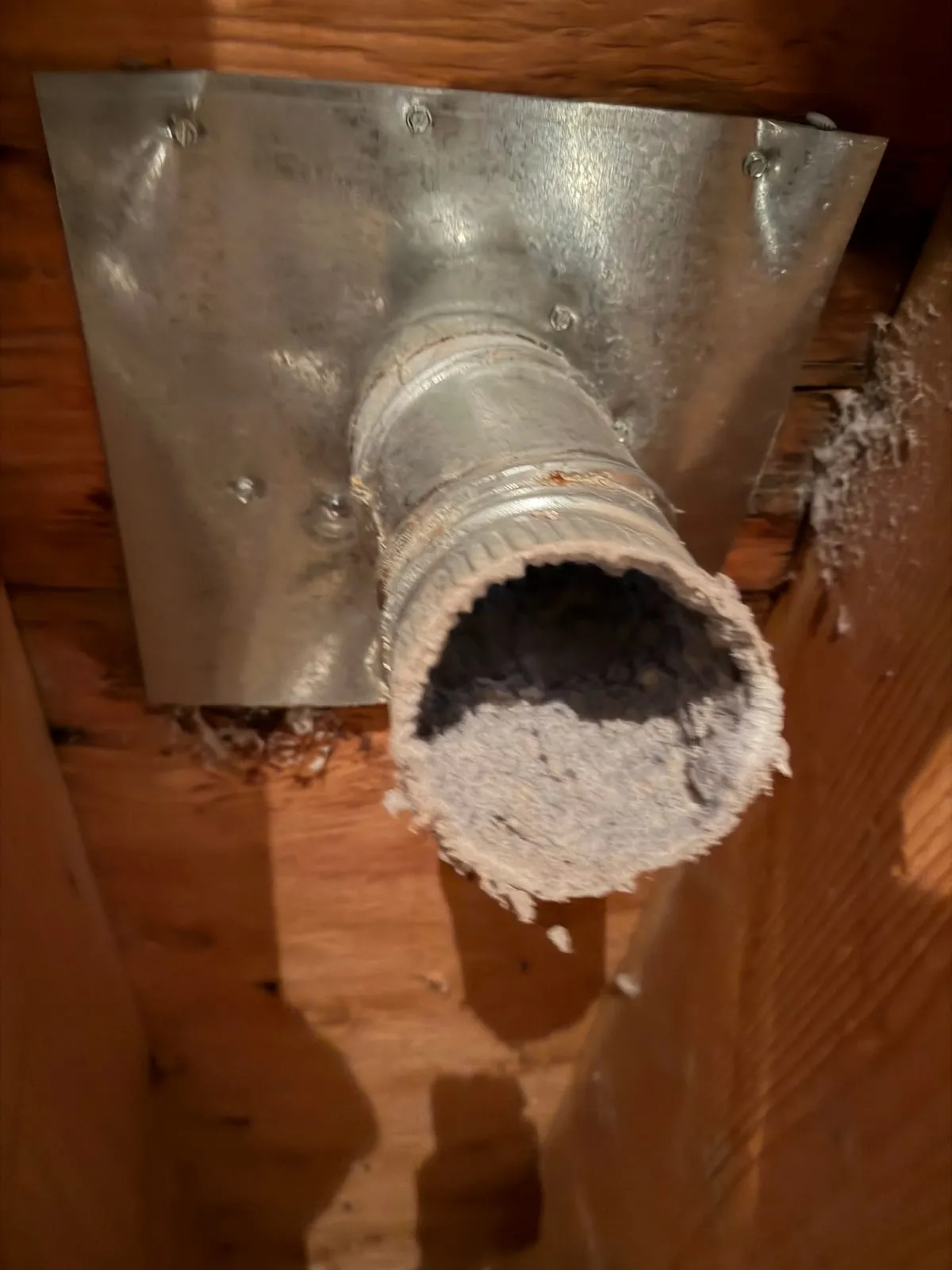
A rigorous process typically includes moving the dryer to access the rear connection, disconnecting the transition duct, and inspecting for heat wear, crushing, or pinholes. The technician then uses rotary brushes and high-filtration vacuums to remove lint from the main duct, working from one or both ends depending on access. If the vent path is long or includes many turns, they may employ additional tools like air whips or flexible rods to ensure the brush head reaches each segment.

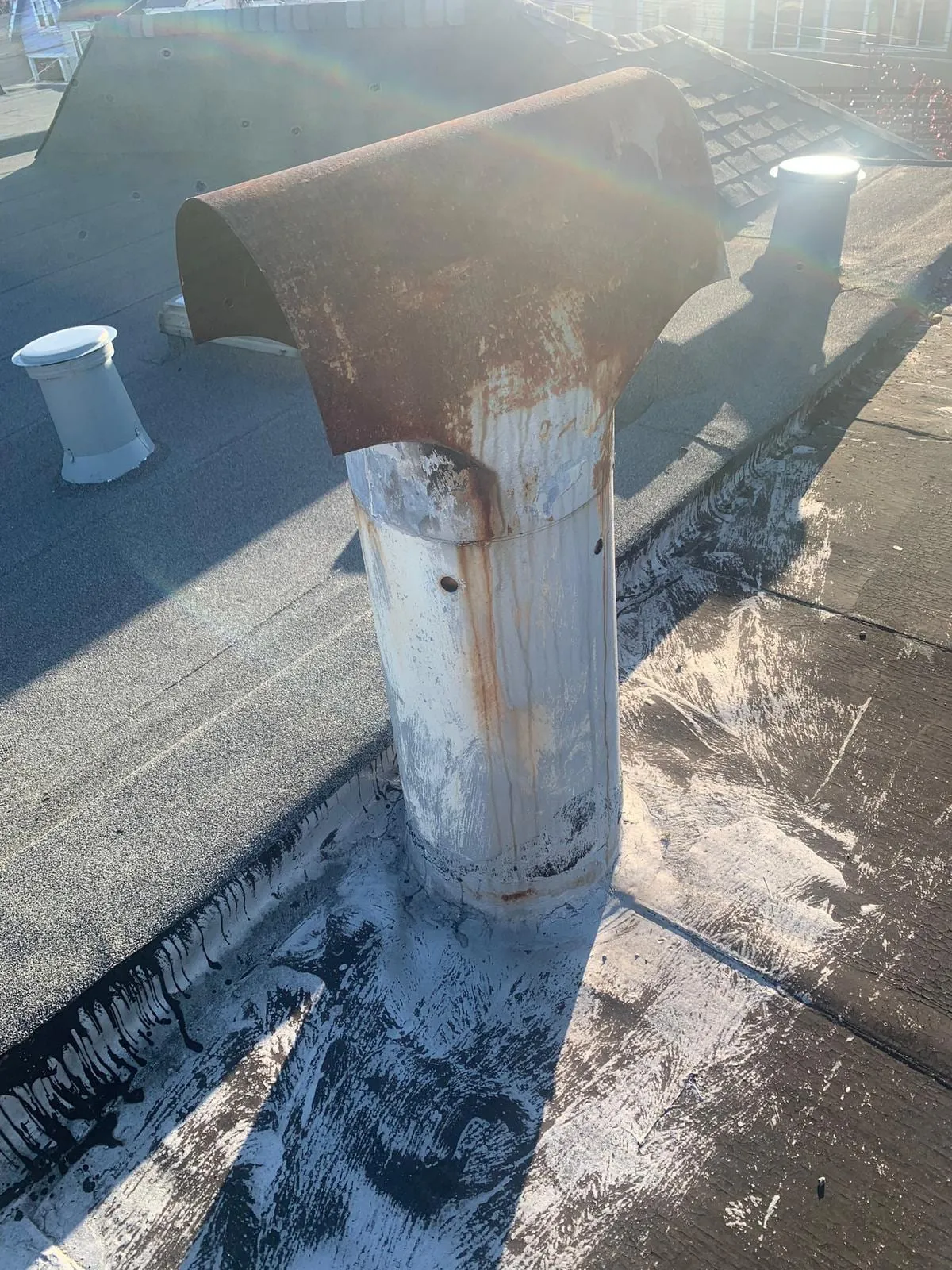
At the exterior termination, the damper must open and close freely to support airflow while preventing backdrafts and animal entry. If the termination is outdated or damaged, top companies will recommend an appropriate replacement style that minimizes resistance and complies with best practices for dryer exhaust. Before leaving, they reassemble the connection with suitable materials, confirm that the transition is not crushed, and run the dryer to verify airflow.

How Fair Lawn home layouts influence the cleaning approach

Fair Lawn’s variety of home styles directly affects cleaning strategy. In split-level homes, ducts may take a circuitous route through floor cavities, increasing the number of elbows that need attention. In townhomes or newer builds, second-floor laundry closets can push exhaust lines through attic spaces or roof terminations that require safe ladder work. Older basements may feature long horizontal runs with areas of sagging duct that benefit from added supports.

The best companies adapt to these variables, protect finished areas, and take steps to prevent recurrence—such as recommending a recessed vent box for tight closets or swapping a flimsy transition hose for a semi-rigid metal connector. Their objective is a durable, low-resistance airflow path that serves your home well through changing seasons.

Red flags to avoid

Be cautious of services that offer vague explanations or rush through the appointment without inspecting the exterior termination. Another red flag is reliance on a single access point for long or complex ducts; a thorough job often requires working from both the interior and exterior ends. Beware of any suggestion to install a screen over the dryer termination—screens trap lint and quickly compromise airflow.

You should also be wary of companies that dismiss material recommendations. Plastic or foil accordion hoses behind the dryer are more vulnerable to crushing and damage, and they increase lint accumulation compared to semi-rigid or rigid metal options. A trustworthy provider will discuss these risks and offer appropriate alternatives.

Questions to ask when choosing a company

Ask how the company verifies results. Do they check airflow at the end of the appointment? How do they protect your floors and walls while moving the dryer? Can they work from both ends of the duct? What tools do they use for long runs or tight elbows? The specifics of their answers reveal how much attention they will give to your home.

Inquire about their approach to exterior terminations. A company that understands best practices will prioritize a damper-style hood without screening, ensure free movement, and recommend repairs or replacements when needed. Finally, ask how they handle obstacles such as nesting materials or compacted lint; top companies will have a safe, methodical plan.

Benefits of choosing a top-rated local provider

Local expertise matters. Companies that routinely work in Fair Lawn understand common duct routes in the area’s housing stock, from finished basements to roof-mounted exits. They know how seasonal weather affects terminations and where clogs tend to form. This familiarity leads to quicker diagnosis, fewer surprises, and results you can trust.

Choosing a top-rated provider also means clear communication and dependable aftercare advice. You will learn how to position your dryer to avoid crushing the connector, how to clean the lint screen properly, and how to spot early signs of restriction. These small actions maintain the gains achieved during the appointment.

Maintenance strategies for lasting results

Great companies do not just clean and leave; they coach you on maintenance. Empty the lint screen before each load, and give it a gentle wash periodically to clear residue from dryer sheets. Keep loads appropriately sized and alternate heavy-lint items like towels with lighter fabrics when possible. Ensure that the transition hose remains short and untwisted when the dryer is pushed back into place.

Check the exterior hood every so often—especially after storms or during pollen-heavy seasons—to make sure it moves freely and remains clear. If you notice longer drying times, increased heat, or unusual odors, schedule attention promptly instead of waiting for the next routine visit.

How the best companies handle complex ducts

For long or intricate duct paths, top providers use flexible rods and brush heads sized to fit your duct diameter. They may also use compressed air tools to agitate stubborn lint accumulations, driving debris toward a vacuum collection point. When encountering sagging segments, they suggest supports to restore a gentle, consistent slope toward the termination. If a section is crushed or damaged, they recommend replacement using smooth-wall metal for improved durability and airflow.

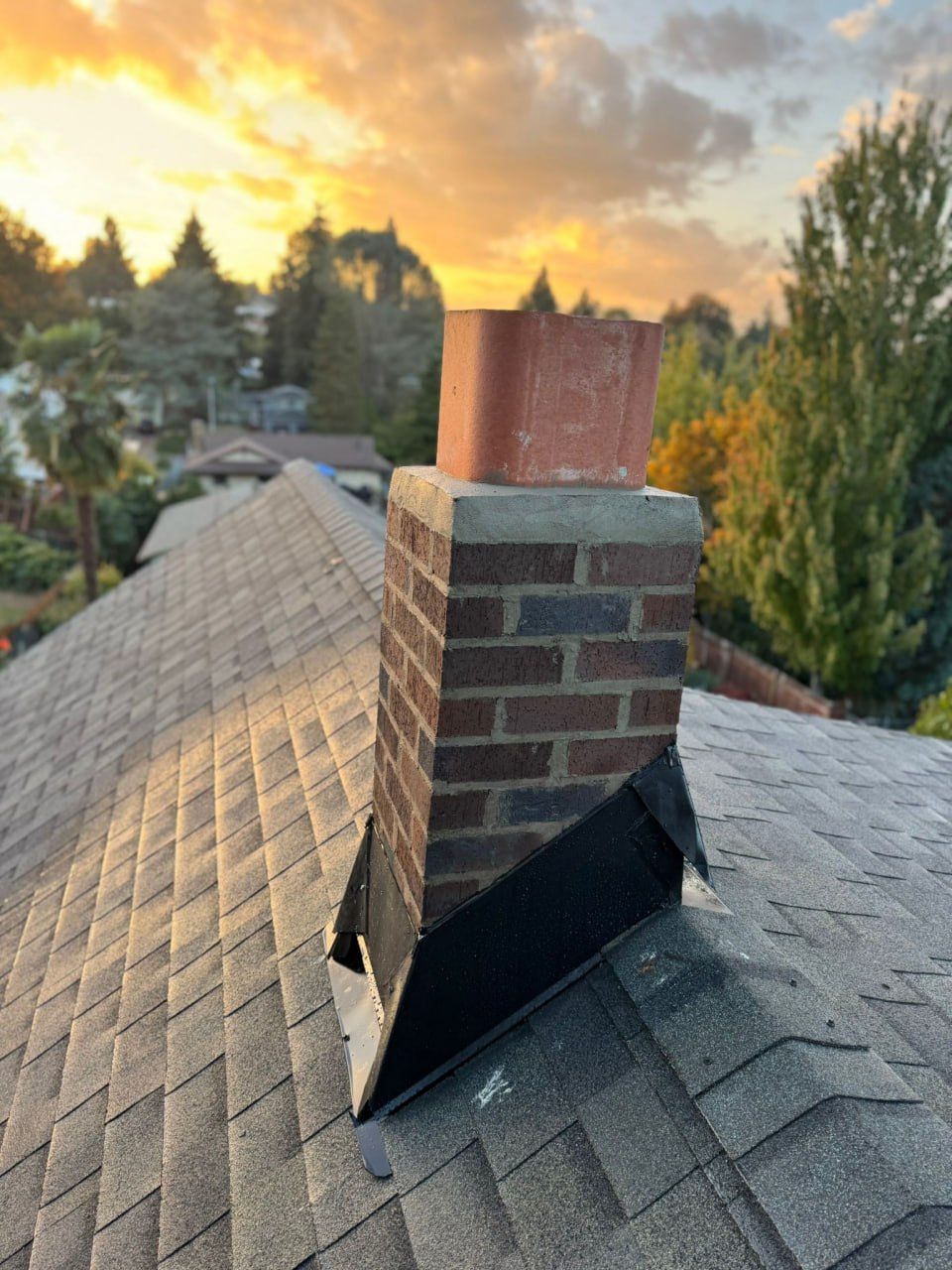
In homes with roof terminations, technicians trained in ladder safety inspect the cap, confirm damper operation, and clear debris. They take care to protect roofing materials and to avoid introducing fasteners that penetrate the duct wall where lint could snag.

What to expect on appointment day

Expect a brief walkthrough and clear explanation of the plan. The technician will move the dryer carefully, disconnect the transition, and assess its condition. They will set up containment where needed, position vacuums, and conduct the cleaning from interior and exterior access points. After reassembly, they will run the dryer to confirm strong airflow and will offer maintenance tips customized to your household’s laundry routine.

If you want a provider that demonstrates consistency, uses professional-grade tools, and treats your home with respect, consider working with a team focused on delivering measurable improvements. A reliable partner will leave you with a system that breathes freely and a straightforward plan for keeping it that way.

When to schedule and how often

Many households benefit from annual attention, with more frequent service for larger families or high laundry volumes. Changes in your home—such as renovations that relocate the laundry area or alter the duct path—also warrant a check. If you notice declining performance, do not wait; addressing the issue early prevents extended strain on your dryer and helps avoid avoidable repairs.

Aligning your schedule with seasonal needs can help. For example, a pre-winter check ensures the exterior damper moves freely before freezing temperatures arrive, while a spring cleaning clears pollen and seasonal debris that may collect around the termination.

Frequently asked questions

Q: How can I tell a company is thorough? A: Look for clear process descriptions, attention to both interior and exterior access, and a willingness to discuss duct materials and termination condition. Ask how they verify airflow at the end.

Q: Do the best companies replace unsafe transition hoses? A: Many carry appropriate materials and will recommend replacing flimsy or damaged connectors with semi-rigid metal for safety and performance.

Q: Is it necessary to work from the exterior end? A: For many ducts, yes. Working from both ends helps ensure complete lint removal, especially in long runs with multiple elbows.

Q: How do I maintain airflow between visits? A: Clean the lint screen before each load, avoid crushing the connector, and check the exterior hood periodically. Adjust laundry habits to reduce peak lint production.

Q: Can roof terminations be serviced safely? A: Trained technicians follow ladder and roof safety practices and will inspect, clean, and verify damper operation at roof-mounted exits.

Q: What signs indicate I should schedule sooner? A: Longer drying times, hotter clothes, a warm laundry room, burning or musty odors, visible lint around the hood, or weak exterior airflow when the dryer runs.

Book with a trusted local company

When you want dependable results, choose a provider that values safety, thoroughness, and clear communication. For a team that understands local homes and delivers measurable improvements, schedule professional dryer vent cleaning and enjoy shorter cycles, stronger airflow, and renewed confidence in your laundry routine.