
Air duct cleaning, and an honest answer on whether you need it
Air duct cleaning is the service on our list most often sold to people who do not need it. We would rather tell you up front. When there is a real reason, like renovation dust, vermin or ducts clogged enough to blow debris out of the registers, we clean the whole system, supply and return, and show you what came out.
When it is worth doing
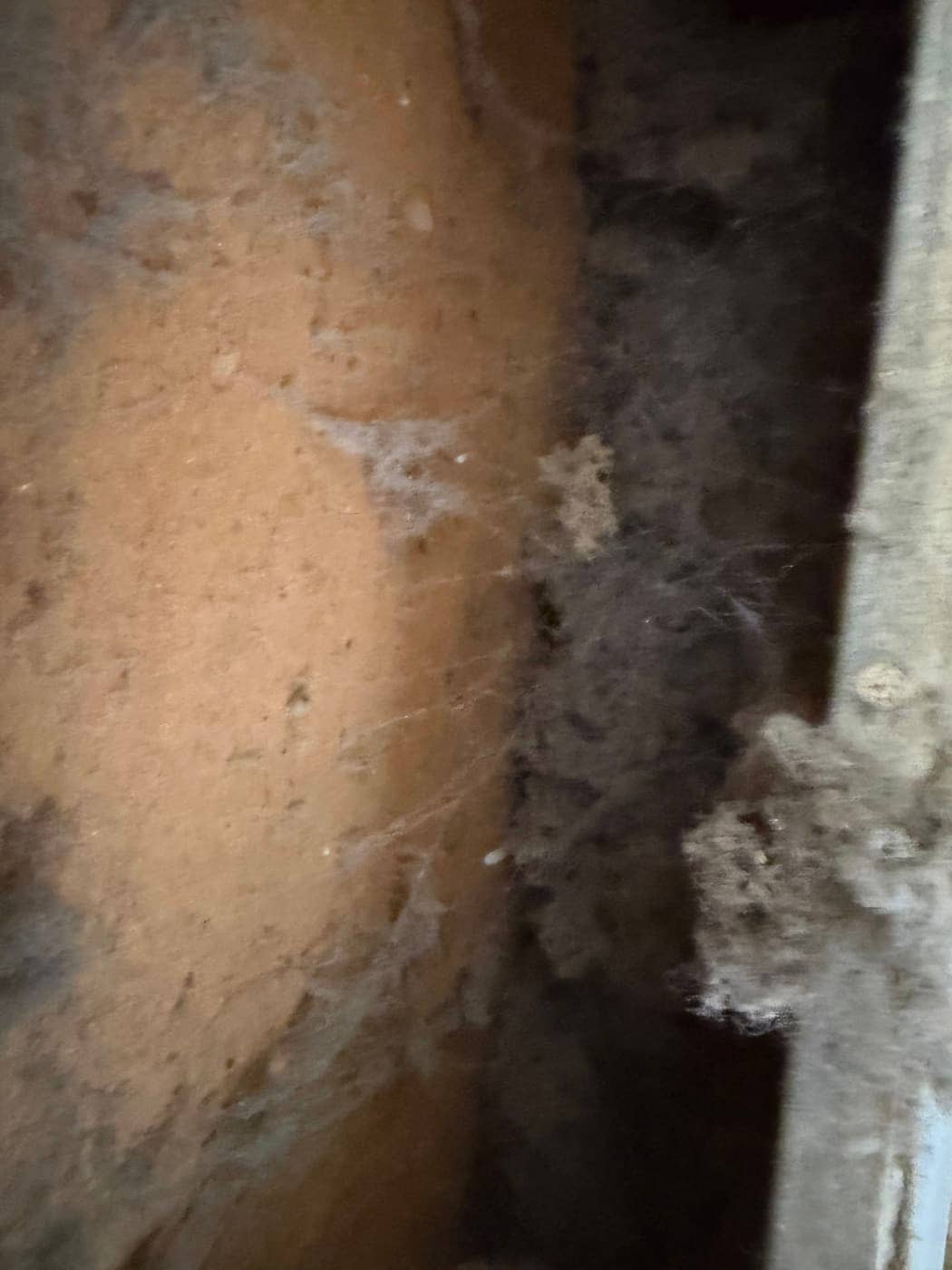
The U.S. Environmental Protection Agency says duct cleaning has never been shown to actually prevent health problems, and that a light layer of household dust in ducts poses no known risk. It does name the times to consider it, which are substantial visible mold inside hard ducts, an infestation of rodents or insects, and ducts so clogged that particles blow out of the supply registers. Renovation work that filled the returns with drywall dust is another good reason. Outside those, we will tell you to save your money.
How the cleaning is done
The system is put under suction at a collection point first, so dust that comes loose travels out of the house instead of into the rooms. Then each branch is worked with brushes and air whips, from the registers back toward the trunk. Every supply and every return is done, along with the registers themselves.
- Suction connected before any register is opened
- Each branch worked in turn
- Supply and return sides both cleaned
- Registers cleaned and refitted
If your ducts do not need cleaning, we will say so before you pay for it.
What cleaning will not fix
Duct cleaning does not cure a dusty house when the filter is the wrong size or seated loosely, and it does not even out a room that is always cold. That is usually a damaged or disconnected run, which is a repair job. It will not stop a musty smell that comes from a damp basement either. If we find one of those, we tell you what it is and what actually fixes it.
The parts far from the furnace
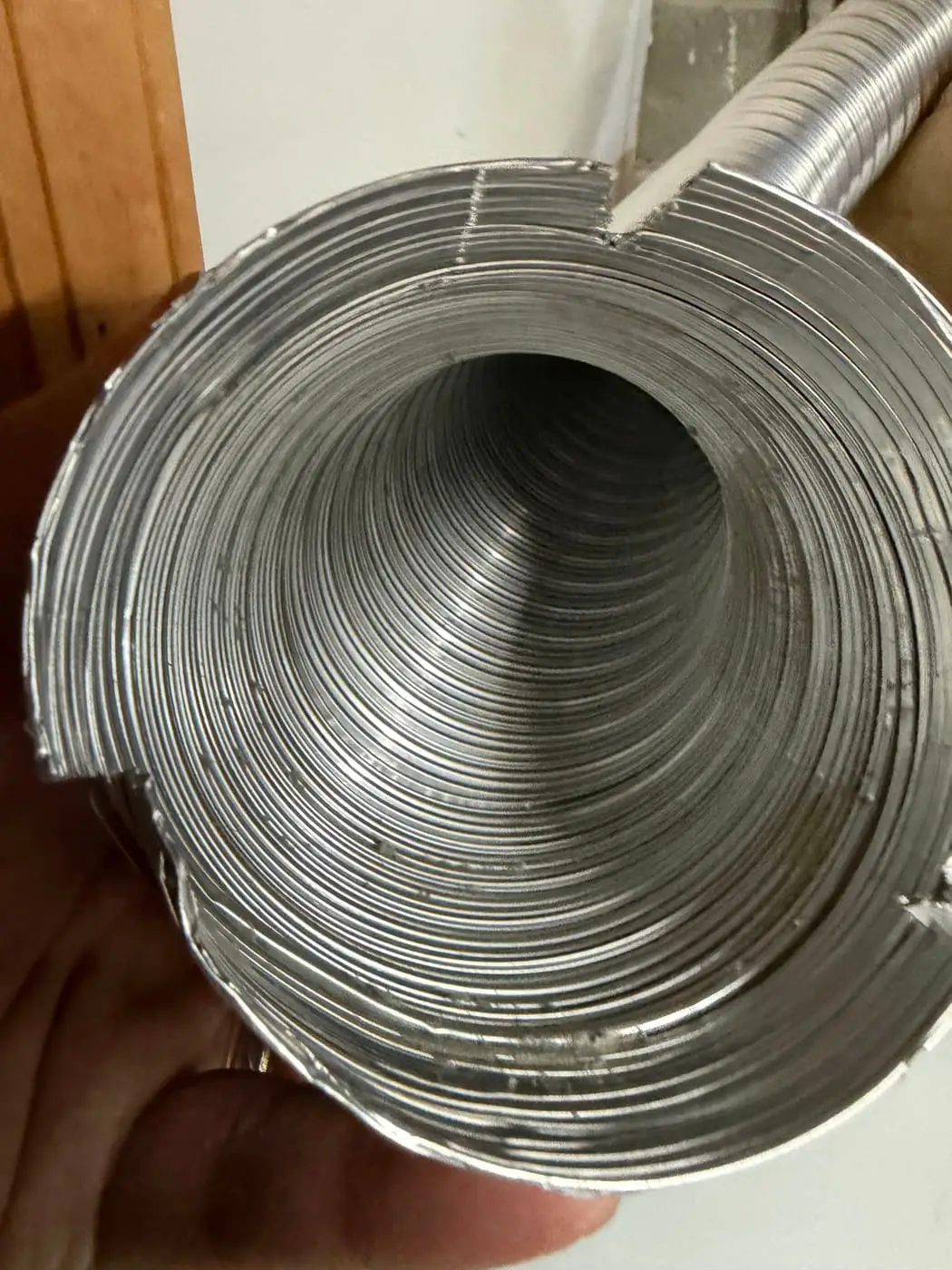
The runs farthest from the air handler are the ones most often skipped, and the ones most likely to hold dust from old renovations. We work every branch, including the long runs to upstairs bedrooms.
- Grilles removed and washed
- Boots cleaned where a brush cannot reach
- Long branch runs included
- Return grilles cleaned as well
A duct cleaning is not a duct repair
Sometimes the problem is not dirt at all. A crushed section of flex duct, a joint that came apart inside a ceiling or a boot that was never sealed will waste heat no matter how clean the duct is. When we find damage like that during a cleaning, we show you, and the repair is quoted separately so you can decide.
Recent reviews from our Google listing
A selection of our 5-star reviews on Google.
Flexible driving rods swept the whole height of the chimney from the ground up, keeping high altitude roof dangers down while getting a pristine flue barrel.
After four seasons of burning cordwood in an EPA-certified catalytic insert, relief was complete when the ceramic honeycomb combustor was gently cleaned out, without a single fin broken.
To guarantee that the cleaned flue maintained a consistent laminar flow throughout, devoid of eddy currents and reverse air roll, pressure testing was undertaken.
Questions about air duct cleaning
Will duct cleaning help with allergies?
We will not promise that. The EPA says duct cleaning has never been shown to prevent health problems. It does remove what has settled in the ducts, which matters after renovation work or an infestation.
How often should ducts be cleaned?
There is no set interval. Renovation work, signs of vermin, visible mold in hard ducts or debris blowing from the registers are better reasons than a date on the calendar.
What if you find a problem that is not dust?
We show it to you. A crushed or disconnected run needs a repair, which is quoted separately.
Do you come to my town?
Nineteen towns across eight New Jersey counties, from Fair Lawn and Paterson to Edison and Middletown Township. Each one has its own page under Where we work.