
Chimney inspections, Level 1 and Level 2, in New Jersey
NFPA 211 describes three levels of chimney inspection. A Level 1 is the yearly look at a chimney that is used the same way it always has been. A Level 2 adds a camera inspection of the whole flue and is called for when something changes, like a sale, a new appliance or a different fuel. We do both, and you get the findings in writing with photographs.
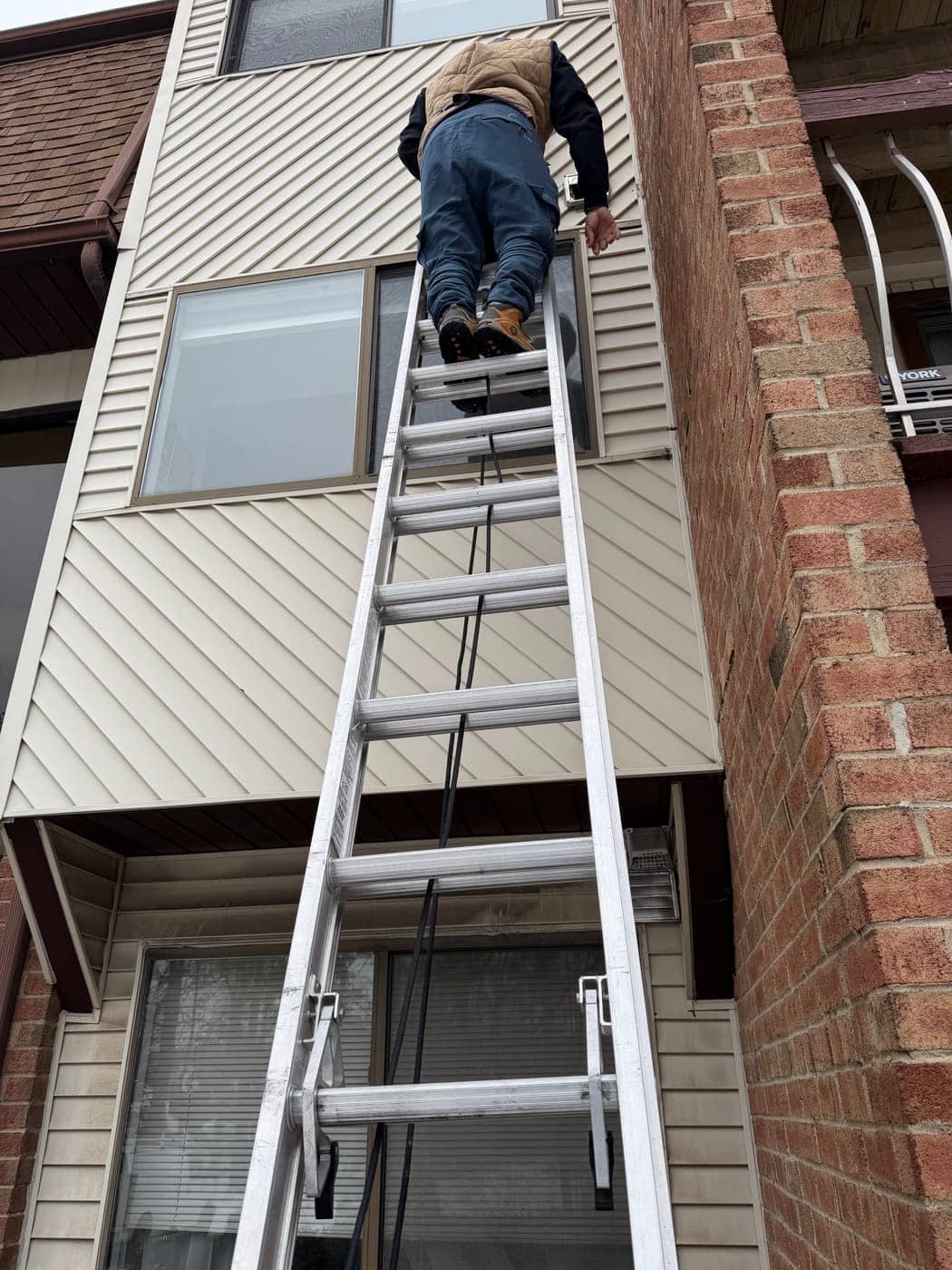
Level 1 and Level 2
Most homes need a Level 1 once a year. It covers what can be seen and reached from the firebox, the roof and the accessible parts of the house. A Level 2 goes further, with a camera run through the full length of the flue, including the parts inside walls, attics and crawl spaces. NFPA 211 calls for a Level 2 when the house is sold, when the appliance or fuel changes, and after a chimney fire or another event that may have damaged the chimney.
A Level 1, step by step
A Level 1 starts at the hearth with the firebox, the damper and the smoke chamber, then moves to the roof for the crown, the cap and the flashing. Inside, it covers the parts of the chimney that can be reached without tools or opening anything up. If nothing about the chimney or the appliance has changed and it is in regular use, this is the inspection NFPA 211 asks for each year.
- The firebox, damper and smoke chamber
- Visible soot and creosote
- The liner as far as it can be seen
- The crown, cap and flashing on the roof
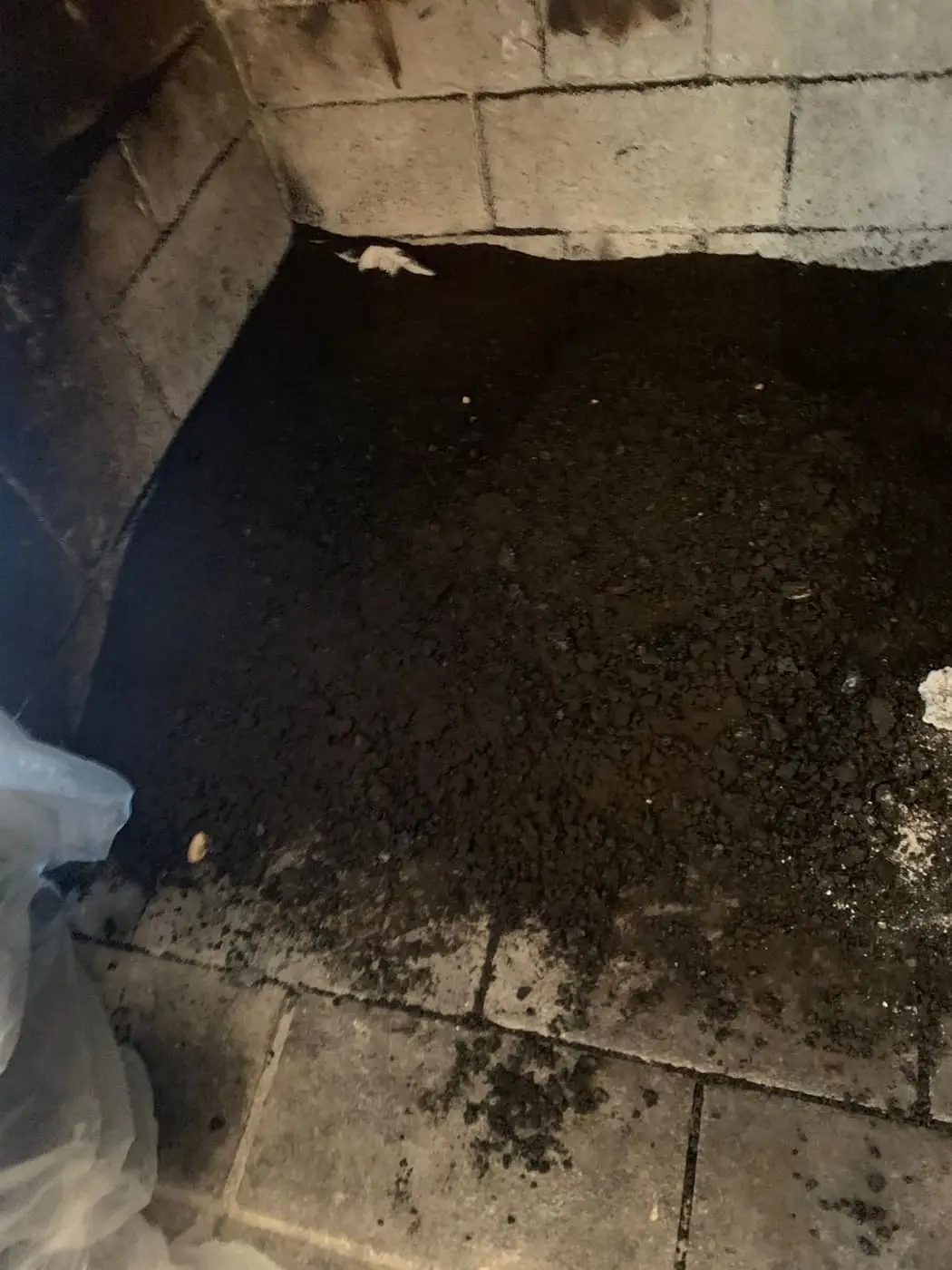
A written inspection with photographs answers a buyer, an insurer or an installer. A shrug does not.
What a Level 2 adds
A Level 2 includes everything in a Level 1 plus a camera inspection of the entire flue, so the parts hidden inside walls and attics are seen too. It also checks accessible areas like attics and crawl spaces where the chimney passes through. This is the inspection that finds a cracked tile halfway up, a missing joint in a liner or a flue that does not suit the appliance now using it.
When a Level 2 is the right call
A Level 2 makes sense whenever the chimney is about to be asked to do something new or someone needs to rely on its condition. These are the moments NFPA 211 names.
- Buying or selling the house
- Replacing the furnace, boiler or water heater, or changing fuel
- After a chimney fire, a storm or another event that may have caused damage
The code behind it in New Jersey
Since August 17, 2026, one-family and two-family homes in New Jersey fall under the 2024 edition of the International Residential Code, adopted through the state’s Uniform Construction Code. When a fuel-burning appliance is replaced, the state’s chimney verification form, UCC F370, goes with the permit, and the installer has to state the condition of the existing flue. An inspection beforehand gives that statement something to stand on.
How a chimney is built
Four parts an inspection always checks
From the cap on top of the flue down to the firebox, these are the parts that decide whether a chimney keeps water out and smoke moving up.
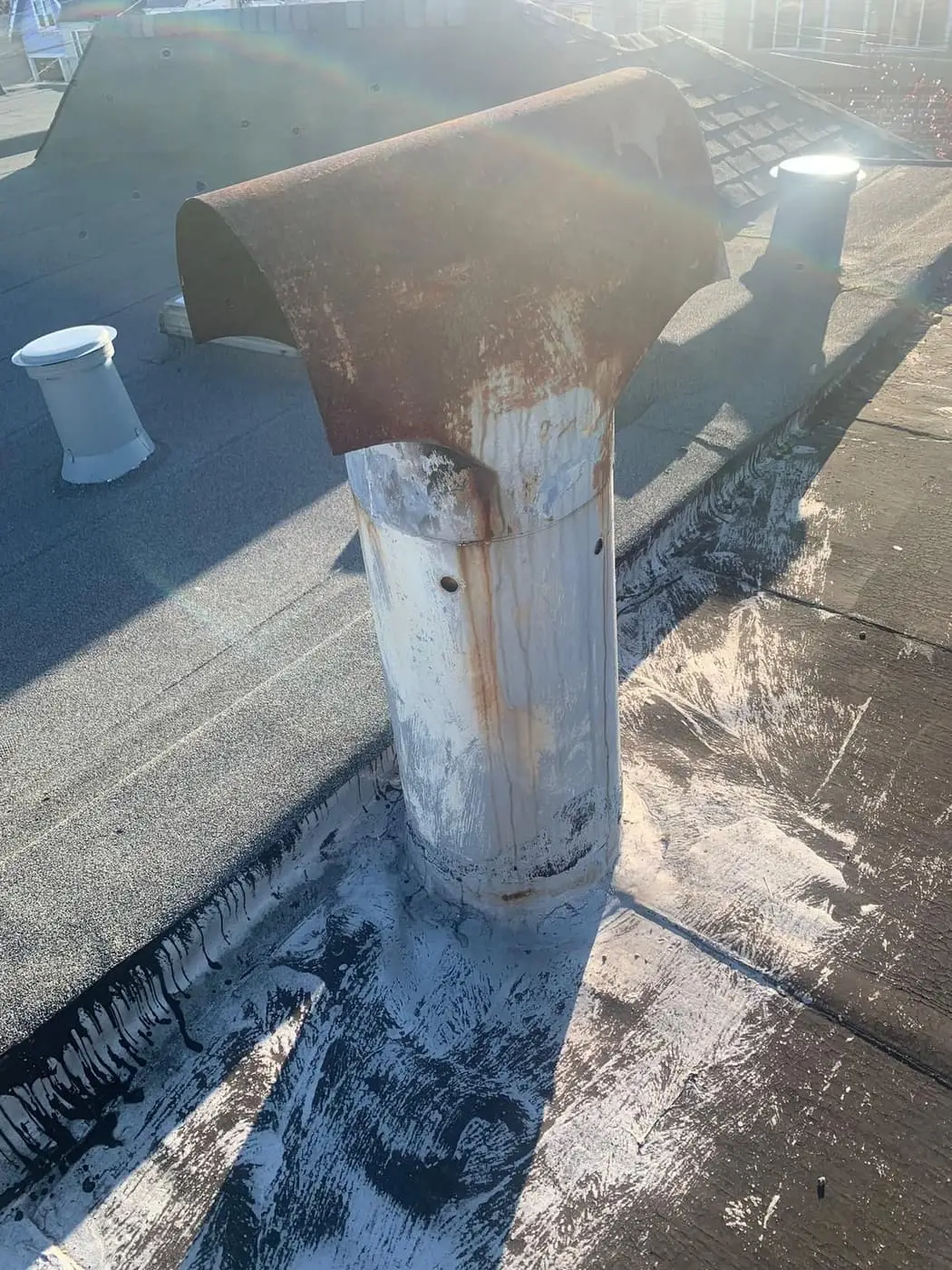
- Cap
- The cover over the flue. It keeps out rain, leaves and animals while letting smoke out.
- Crown
- The concrete layer that covers the top of the masonry. It sends rain off the brick and away from the flue opening.
- Flue
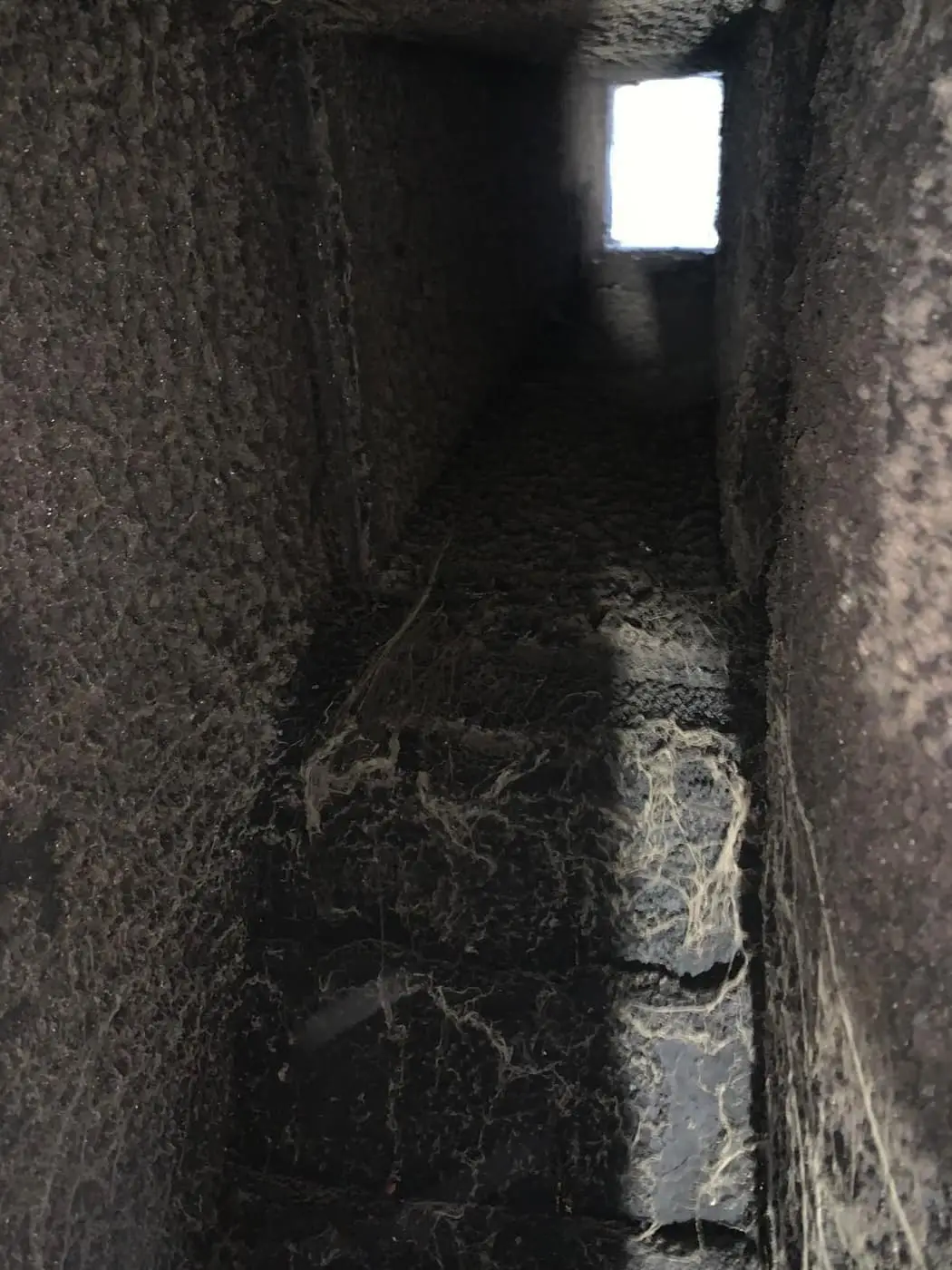
- The passage inside the chimney that carries smoke and exhaust gases out of the house. Soot builds up on its walls.
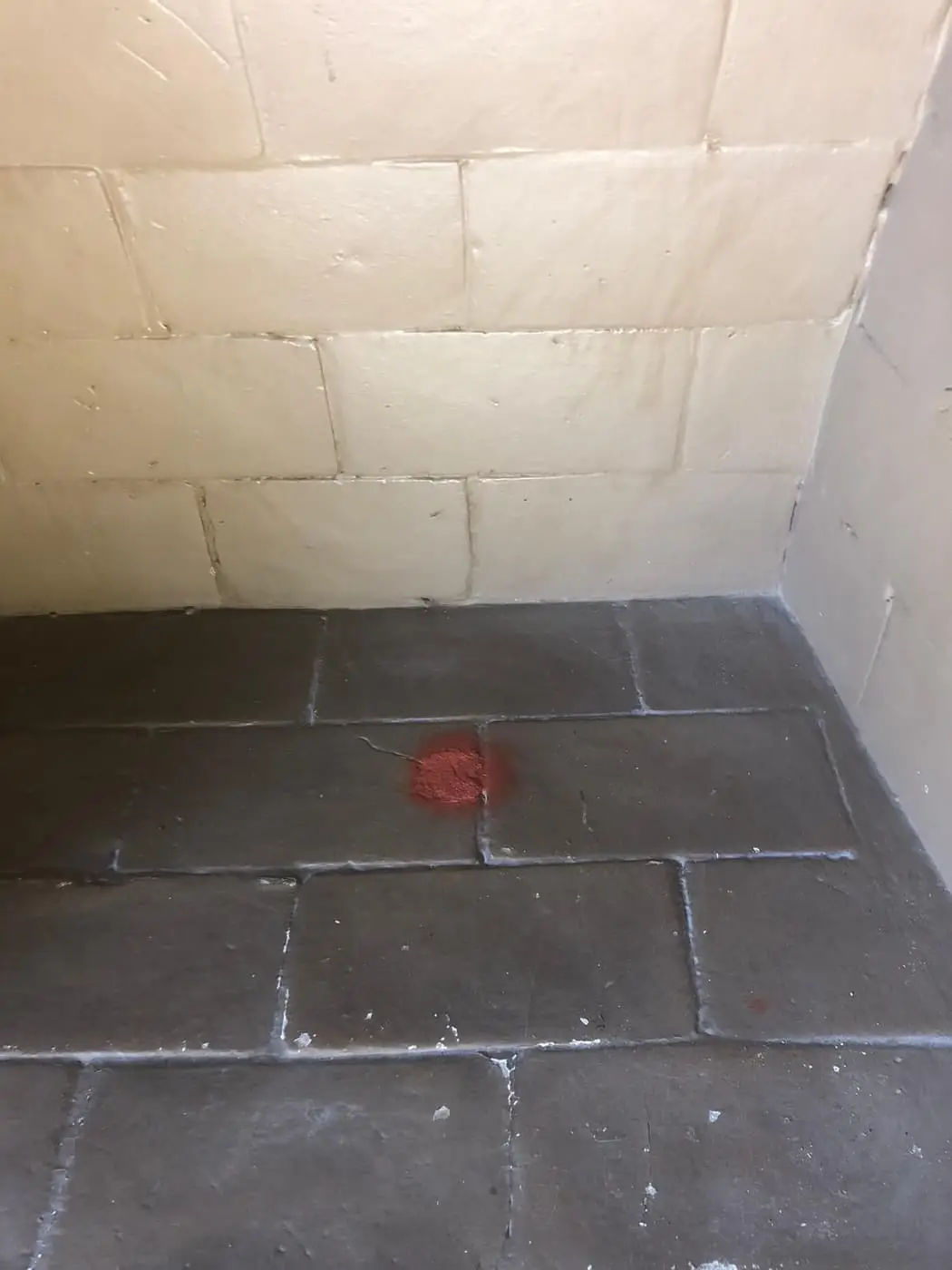
- Firebox
- The firebrick chamber where the fire burns. We look for cracked brick and open mortar joints.
Recent reviews from our Google listing
A selection of our 5-star reviews on Google.
Flexible driving rods swept the whole height of the chimney from the ground up, keeping high altitude roof dangers down while getting a pristine flue barrel.
After four seasons of burning cordwood in an EPA-certified catalytic insert, relief was complete when the ceramic honeycomb combustor was gently cleaned out, without a single fin broken.
To guarantee that the cleaned flue maintained a consistent laminar flow throughout, devoid of eddy currents and reverse air roll, pressure testing was undertaken.
Questions about chimney inspections
What is the difference between a Level 1 and a Level 2?
A Level 1 covers what can be seen and reached from the firebox, the roof and the accessible parts of the house. A Level 2 adds a camera inspection of the entire flue and a look at attics and crawl spaces the chimney passes through.
We are buying a house. Which inspection should we book?
A Level 2. NFPA 211 calls for it when a property changes hands, and the written findings with photographs tell you what you are buying before you close.
Our insurer wants a chimney inspection. What do we send them?
The written findings with photographs from the inspection. Tell us when you book that it is for an insurer and we will make sure the report covers what they ask about.
We are switching from oil to gas. Does the chimney need an inspection first?
Yes. A flue built for oil is often too large for a gas appliance, and the state’s chimney verification form for the replacement asks about the existing flue. A Level 2 before the switch shows what the new appliance needs.
Nothing about our chimney has changed. How often should it be inspected?
Once a year. NFPA 211 calls for an annual inspection of chimneys, fireplaces and vents, whether or not they were used much.