
Air duct repair for crushed, split and disconnected runs
When one room stays cold while the rest of the house is comfortable, the problem often turns out to be a duct. A run gets crushed in the attic, a joint pulls apart above a ceiling or a section sags until it barely moves air. We find the section that failed, repair or replace it and seal the joints so the air goes where it should.
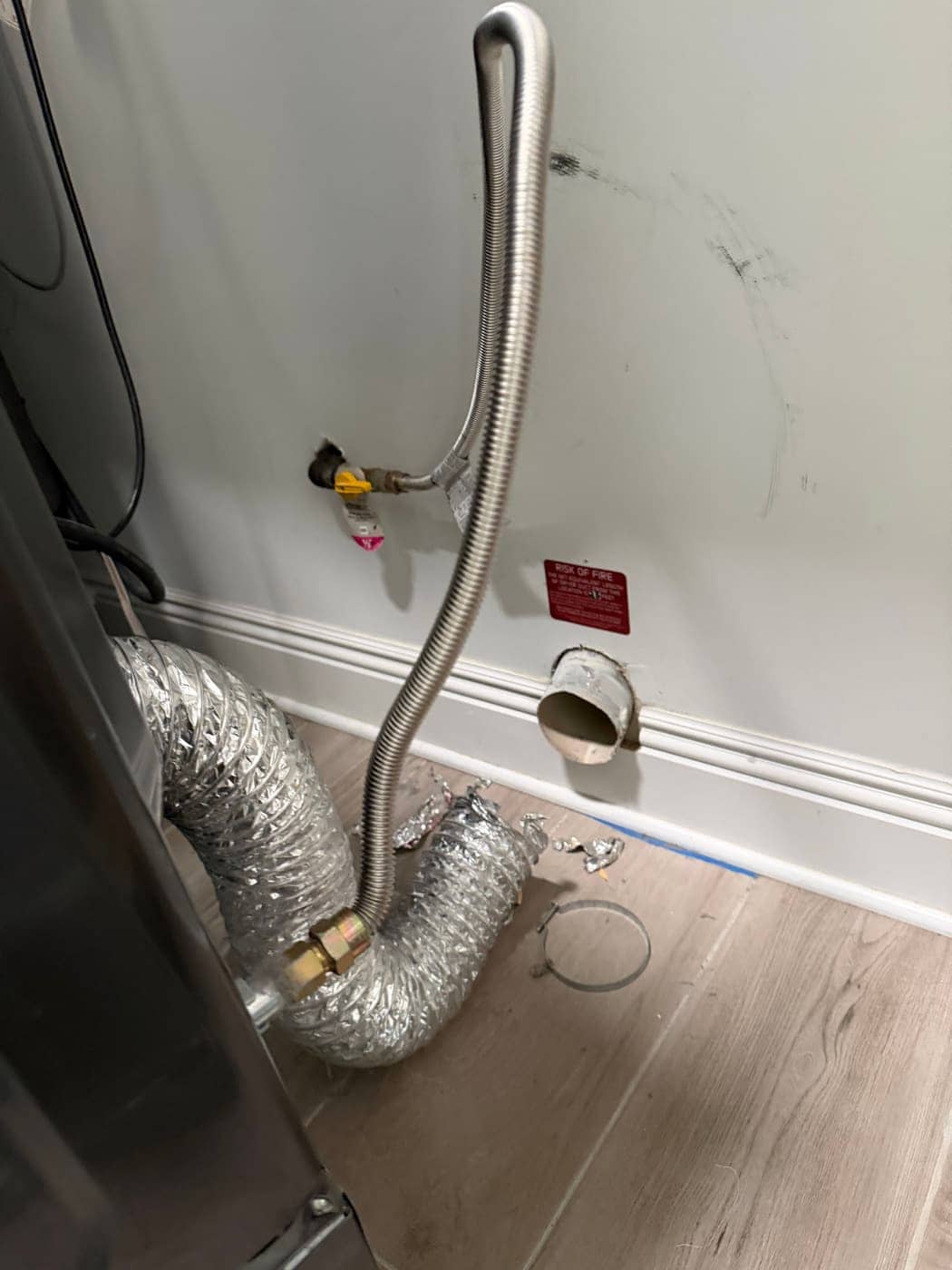
The room that never warms up
If the thermostat is satisfied but one room is not, follow the duct to that room. A crushed or disconnected run delivers little air no matter how hard the system works, and the heat it loses ends up in the attic, the crawl space or inside a wall.
Tracing the run that failed
Duct systems usually fail at one or two points. We follow the run from the trunk to the room that is not getting air and note what we find on the way.
- Follow the run from the trunk to the register
- Check every joint, boot and transition
- Mark where the duct is crushed, split or loose
Fix the one section that failed, and the room that was always cold usually catches up.
What usually goes wrong
Flexible duct gets crushed when it is stepped on in an attic or pinned behind a stored box. It sags when its supports are spaced too far apart, and the sag holds air back. Joints let go when the tape that held them dries out. Each of these is visible once someone actually looks along the run.
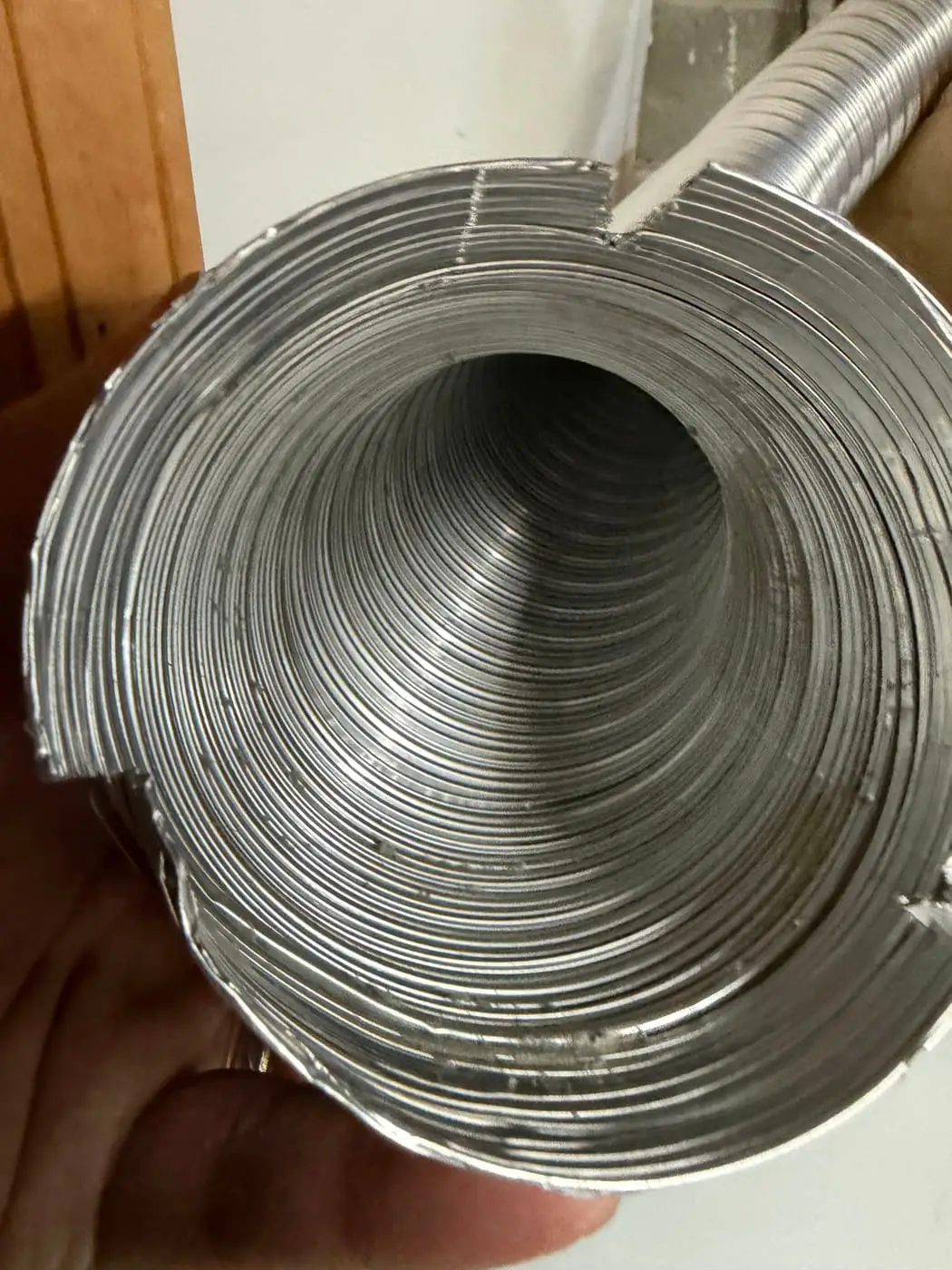
What a repair or replacement involves
When a section is too damaged to repair, it is replaced with duct of the right size for that run, supported properly and connected tightly at both ends.
- New duct sized to the run it replaces
- Joints sealed with mastic or an approved tape
- Insulation restored where the duct runs through unheated space
Why sealed joints matter
A duct can be perfectly shaped and still lose air at every joint that was never sealed. Sealing the joints in the section we work on is part of the repair, and if other joints along the run are open we point them out so you know where the rest of the loss is.
Recent reviews from our Google listing
A selection of our 5-star reviews on Google.
Flexible driving rods swept the whole height of the chimney from the ground up, keeping high altitude roof dangers down while getting a pristine flue barrel.
After four seasons of burning cordwood in an EPA-certified catalytic insert, relief was complete when the ceramic honeycomb combustor was gently cleaned out, without a single fin broken.
To guarantee that the cleaned flue maintained a consistent laminar flow throughout, devoid of eddy currents and reverse air roll, pressure testing was undertaken.
Questions about air duct repair
How do I know it is the duct and not the furnace?
If the system runs normally and most rooms are comfortable but one or two are not, the duct to those rooms is the first place to look.
Do you replace the whole system or one section?
Usually one section. We trace the run, find what failed and repair or replace that part.
Is duct repair the same as duct cleaning?
No. Cleaning removes what settled inside the ducts. Repair fixes ducts that are crushed, split or disconnected.
Do you work in my town?
We serve nineteen towns in eight New Jersey counties. Each one has its own page under Where we work, or call and tell us your address.