
Chimney repair for leaks, cracks and worn liners
Most chimney repairs start with water. A cracked crown, a rusted cap or loose flashing lets rain into the masonry, and New Jersey winters freeze and thaw it until the damage spreads. We find where the water gets in, show you the evidence and repair the part that failed, from the crown on top to the liner inside.
What chimney repair covers
Chimney repair covers the parts that keep water out and exhaust moving, which are the crown, the cap, the flashing, the mortar joints and the liner. Every repair starts with an inspection, so we fix the cause and not only the stain on the ceiling. If the problem turns out to be something we do not do, we tell you who to call.
Finding where the water gets in
A water stain near the chimney can come from the crown, the cap, the flashing or the brick itself, and each needs a different fix. We look at all of them from the roof and follow the water down with the camera if needed. You see what we see, and the quote names the part that failed.
- Hairline cracks across the crown
- Gaps or rust where the flashing meets the shingles
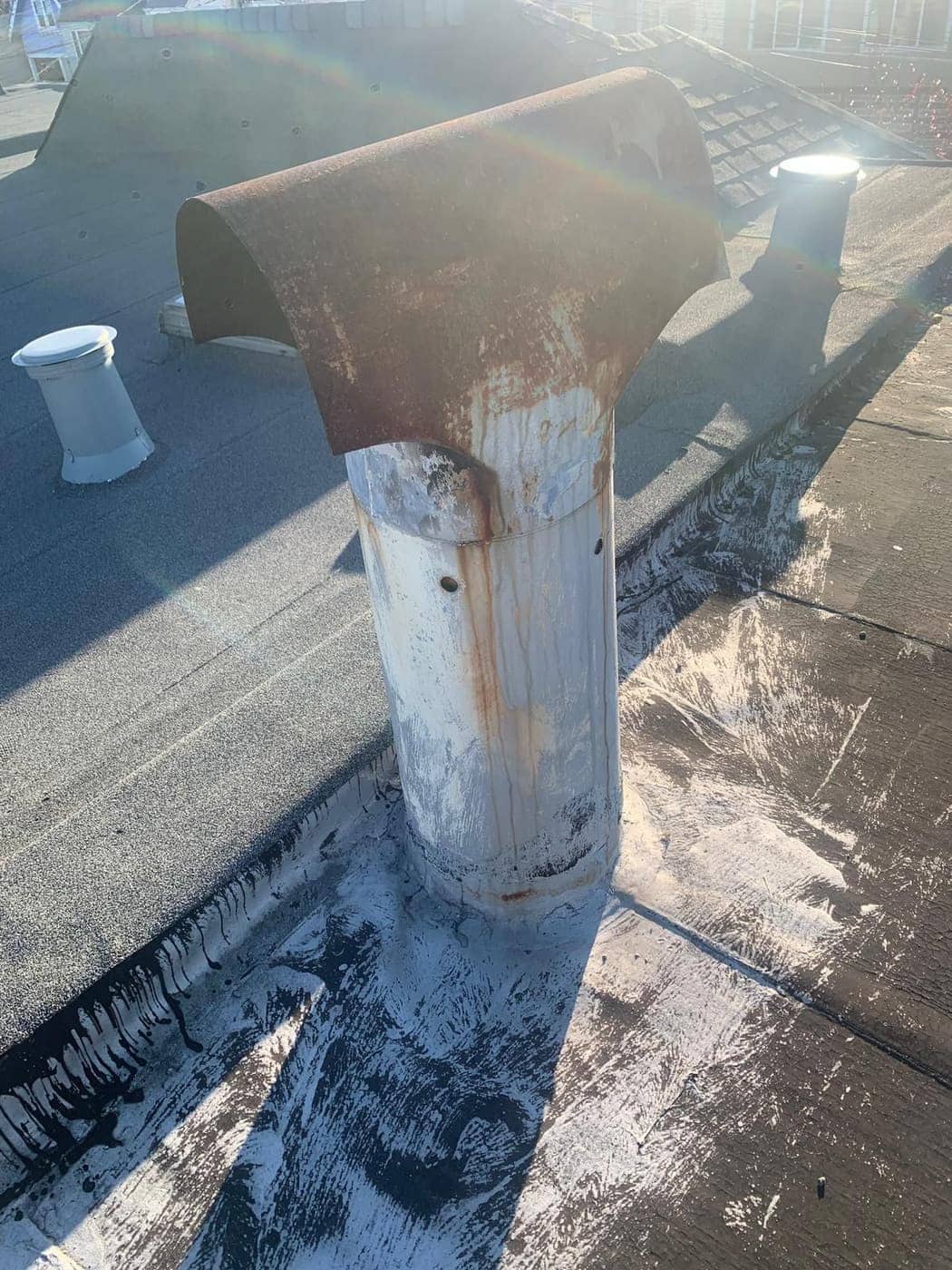
- Missing or loose caps
- Spalling brick and open mortar joints
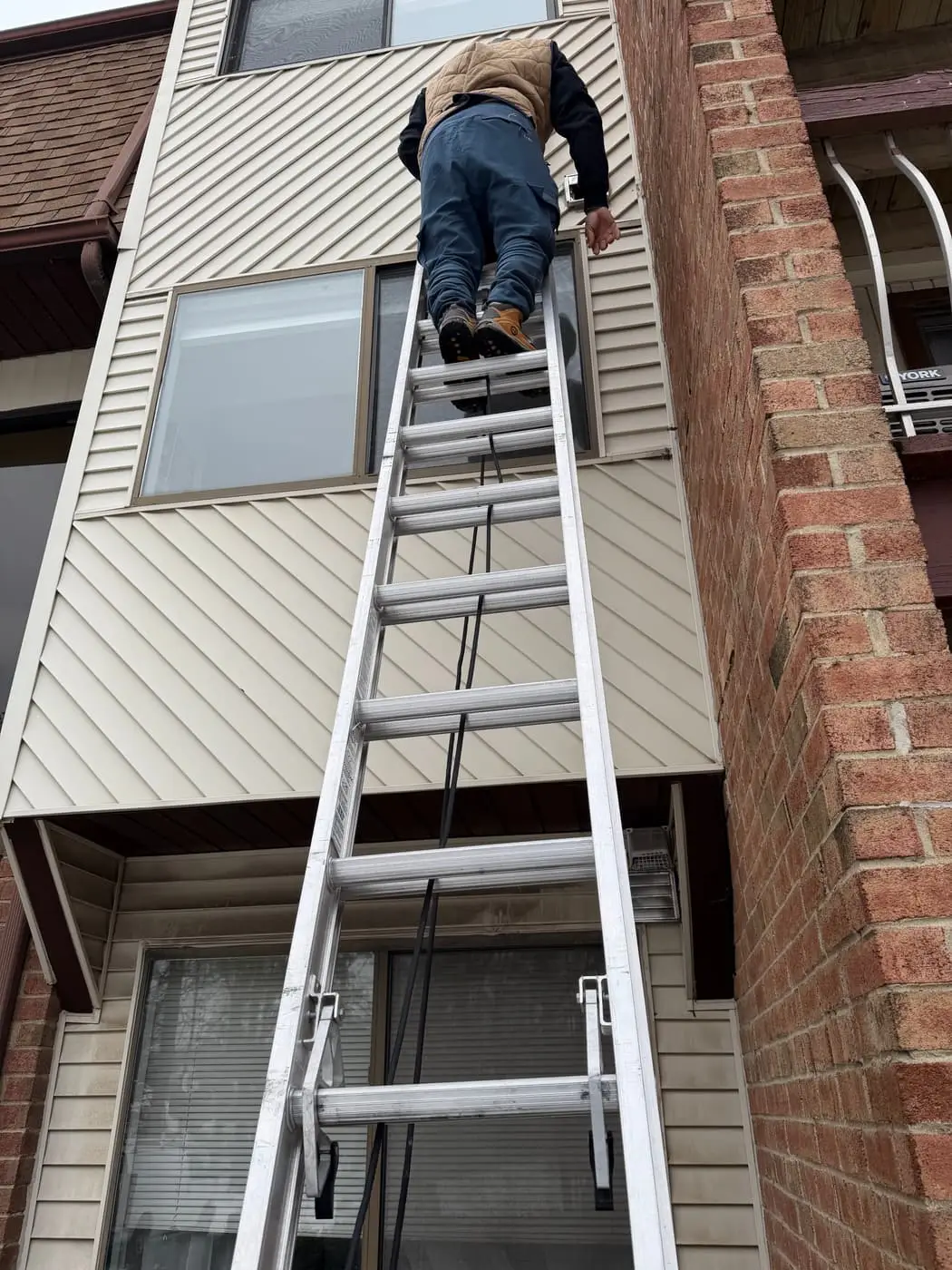
We repair the part that let the water in, and we show you which part it was.
Crowns and caps
The crown is the concrete slab across the top of the chimney, and it takes more weather than any other part. Once it cracks, water runs straight into the masonry below. A sound crown can often be sealed. A badly broken one is rebuilt. The cap above it keeps rain, leaves and animals out of the flue, and a rusted or missing cap is one of the simplest repairs there is.
Flashing, mortar and liners
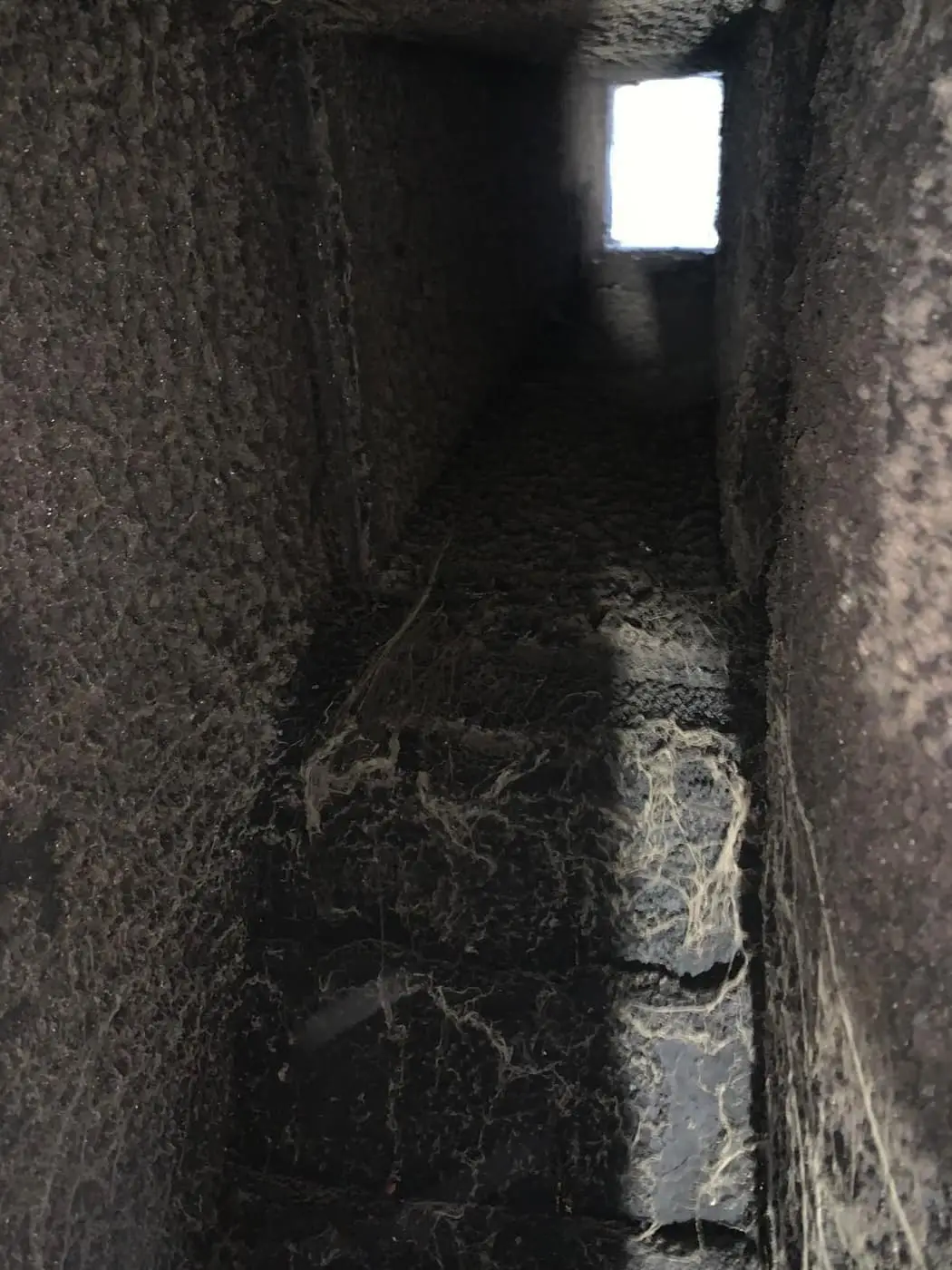
Below the crown, water finds its way in at the flashing and through mortar joints that have worn open. Inside, the liner is what keeps hot, wet exhaust off the brick, and a liner that is cracked, or sized for an appliance that has since been replaced, needs attention.
- Flashing resealed or replaced
- Mortar joints repointed
- Damaged brick replaced
- Liners repaired or replaced
- Caps fitted to the flue
Permits and the paperwork
Some chimney repairs are construction work under New Jersey’s Uniform Construction Code and need a permit from your town’s construction office, typically a new liner or rebuilding masonry above the roof. Each town runs its own office, and a few, like Fair Lawn, Newark and Elizabeth, list chimney forms of their own. We tell you before quoting whether your repair needs a permit and what it involves.
From our Google listing
Photos from our listing
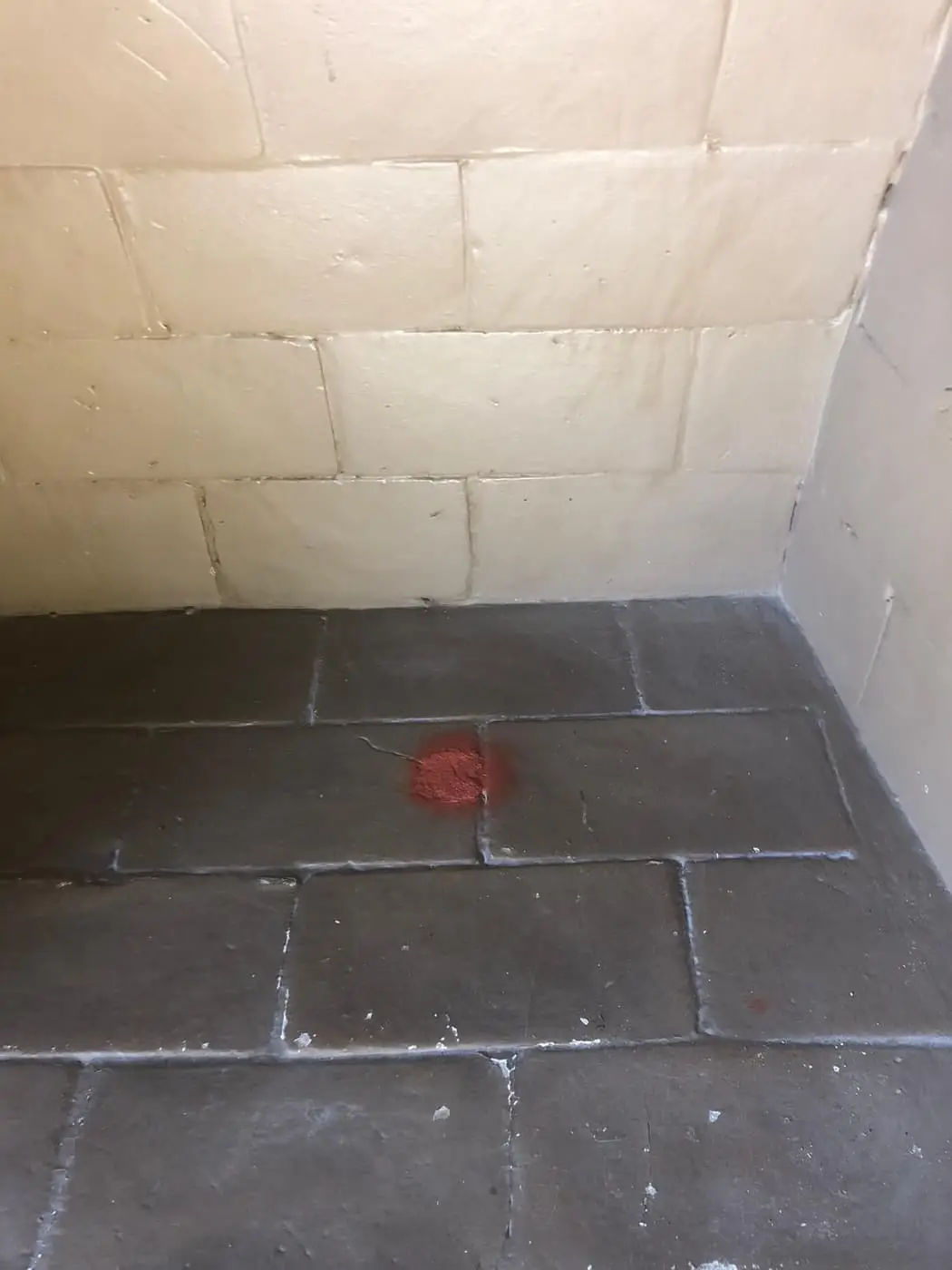
A swept firebox with pale firebrick walls
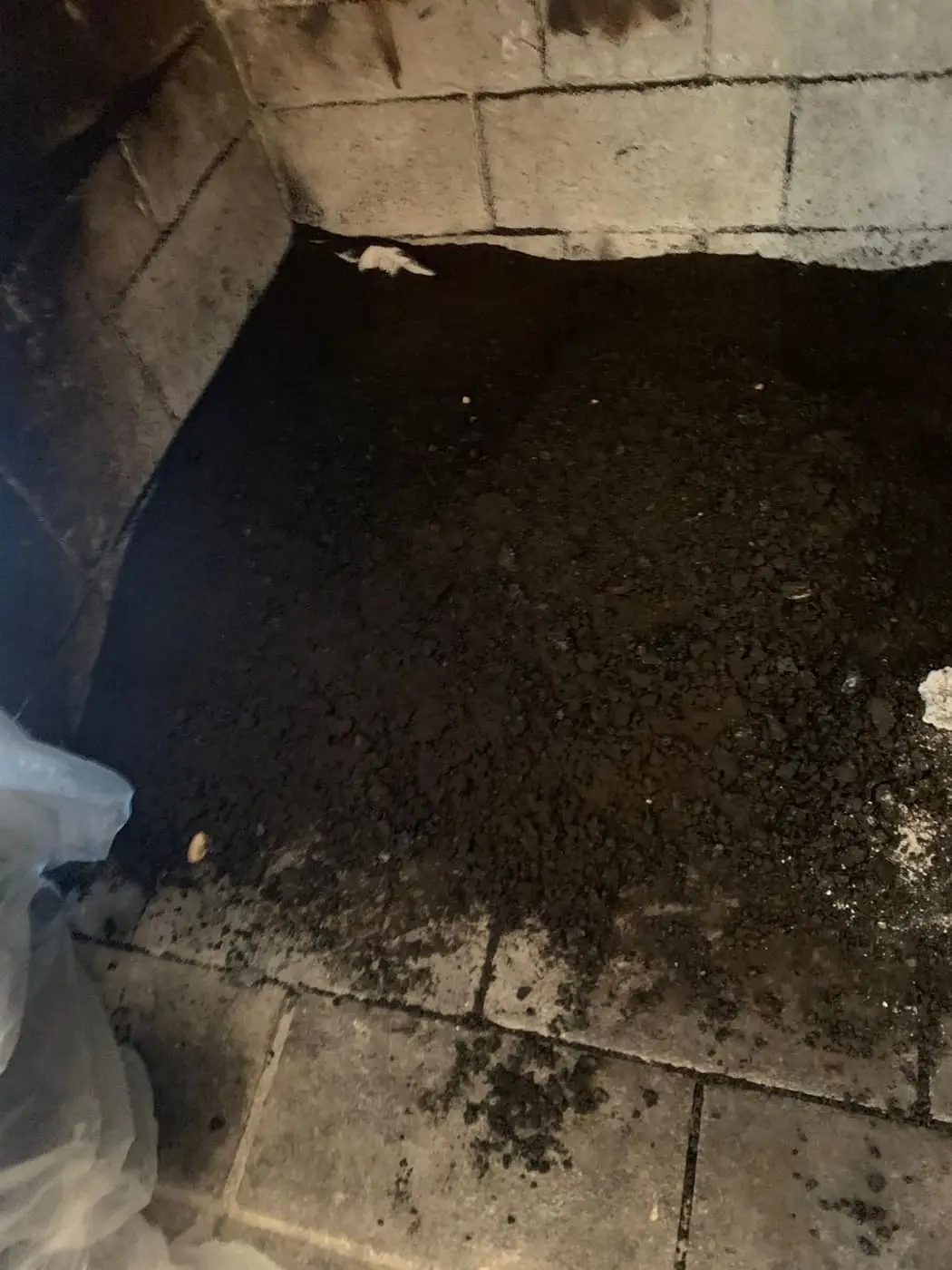
Soot and debris on a firebox floor
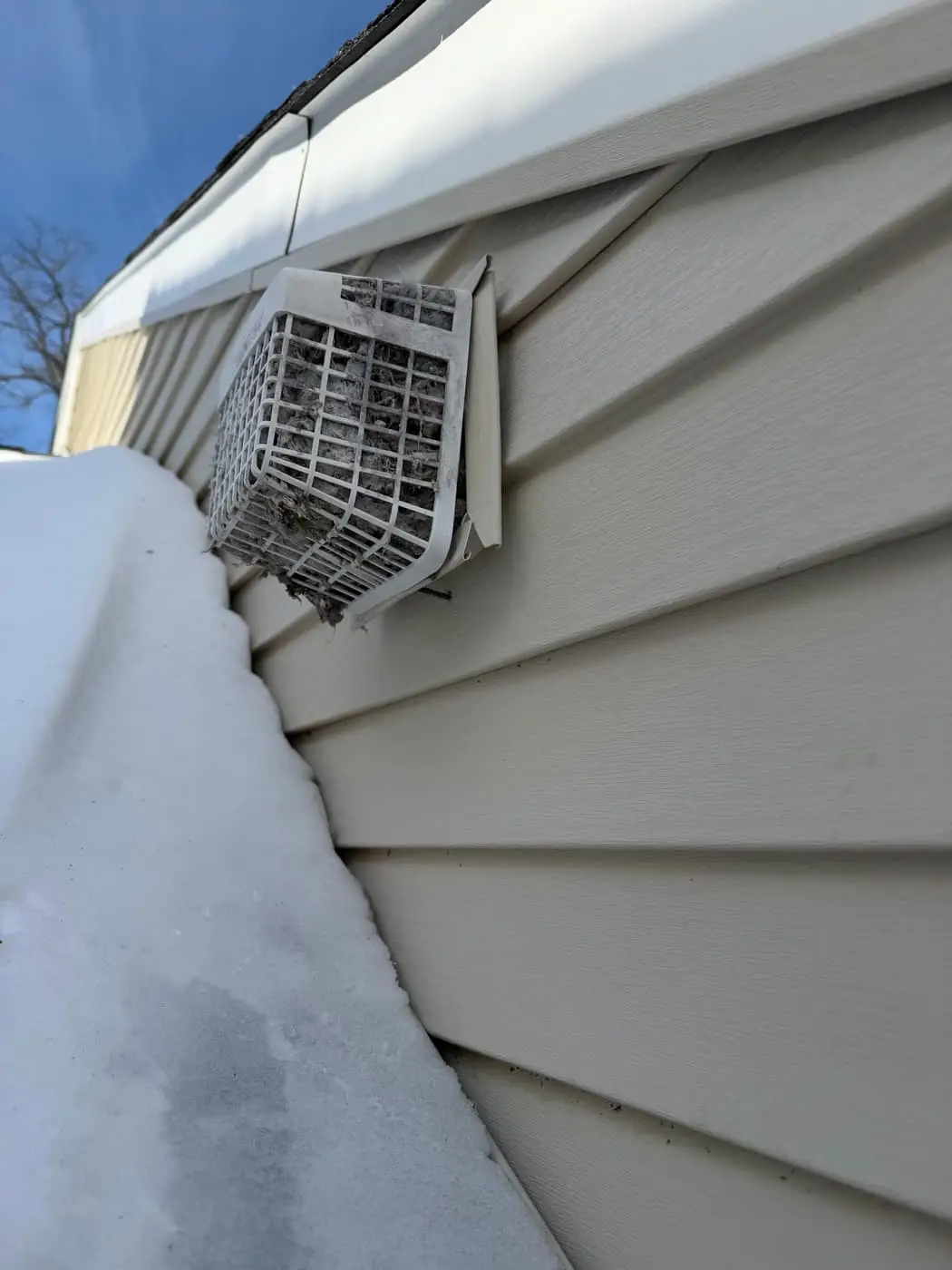
A dryer hood packed with lint above snow
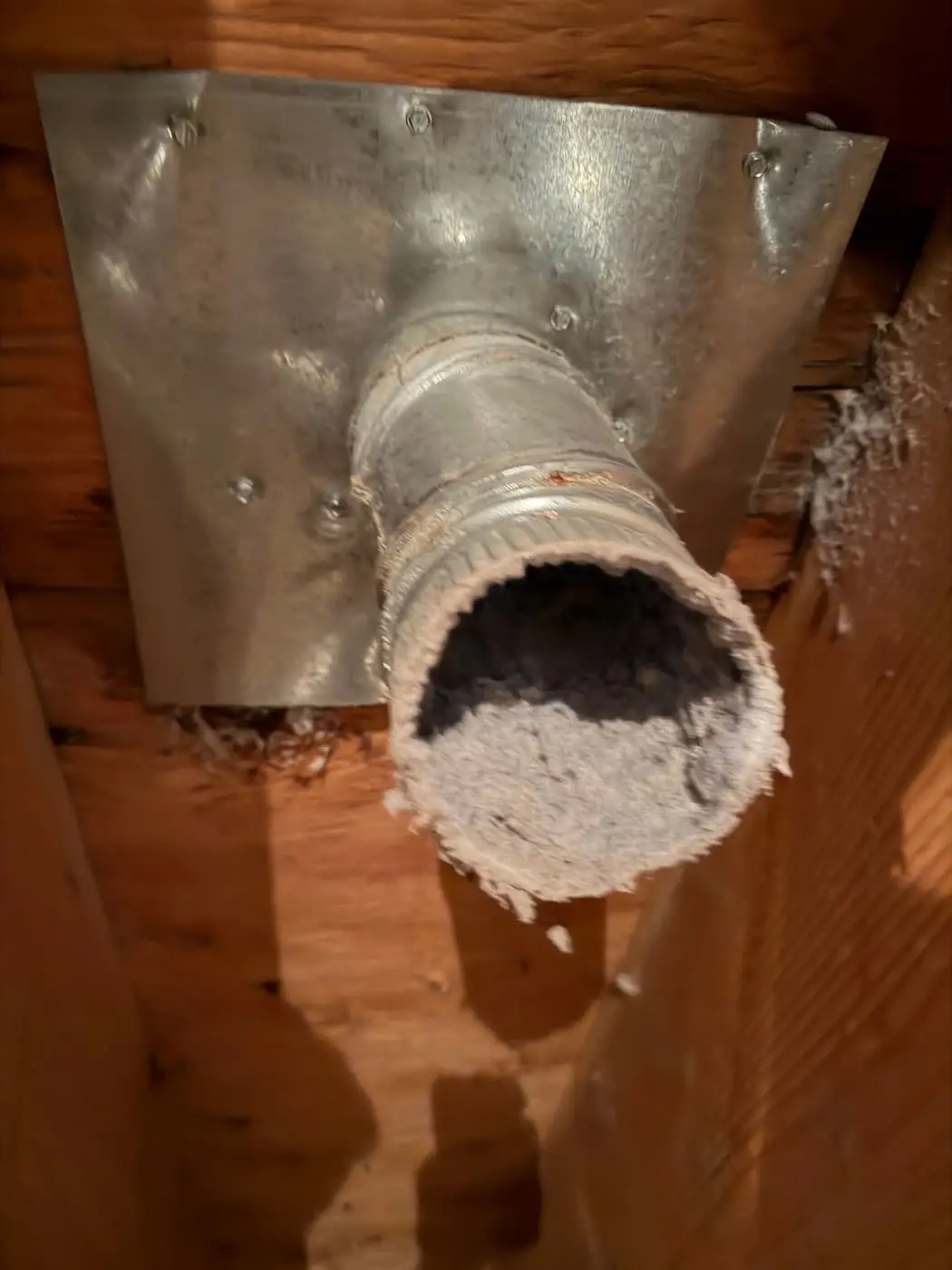
A dryer duct clogged with lint between joists
Recent reviews from our Google listing
A selection of our 5-star reviews on Google.
Flexible driving rods swept the whole height of the chimney from the ground up, keeping high altitude roof dangers down while getting a pristine flue barrel.
After four seasons of burning cordwood in an EPA-certified catalytic insert, relief was complete when the ceramic honeycomb combustor was gently cleaned out, without a single fin broken.
To guarantee that the cleaned flue maintained a consistent laminar flow throughout, devoid of eddy currents and reverse air roll, pressure testing was undertaken.
Questions about chimney repair
There is a stain on the ceiling next to the chimney. Where is it coming from?
Usually the crown, the cap, the flashing or the brick. We check all four from the roof and show you which one is letting water in before we quote a repair.
Can a cracked crown be sealed, or does it need rebuilding?
Fine cracks in a sound crown can usually be sealed. A crown that is broken through or crumbling needs to be rebuilt.
We replaced our furnace. Does the liner need to change?
Sometimes. A liner sized for the old appliance may not suit the new one. An inspection shows whether the existing liner works for what is venting into it now.
Do chimney repairs need a permit?
Some do, like a new liner or rebuilding masonry above the roof. Permits come from your town’s construction office, and we tell you before quoting whether yours needs one.
Do you give a free estimate?
Yes. The estimate is free and comes after we have looked at the chimney.