
Chimney sweeping across North and Central New Jersey
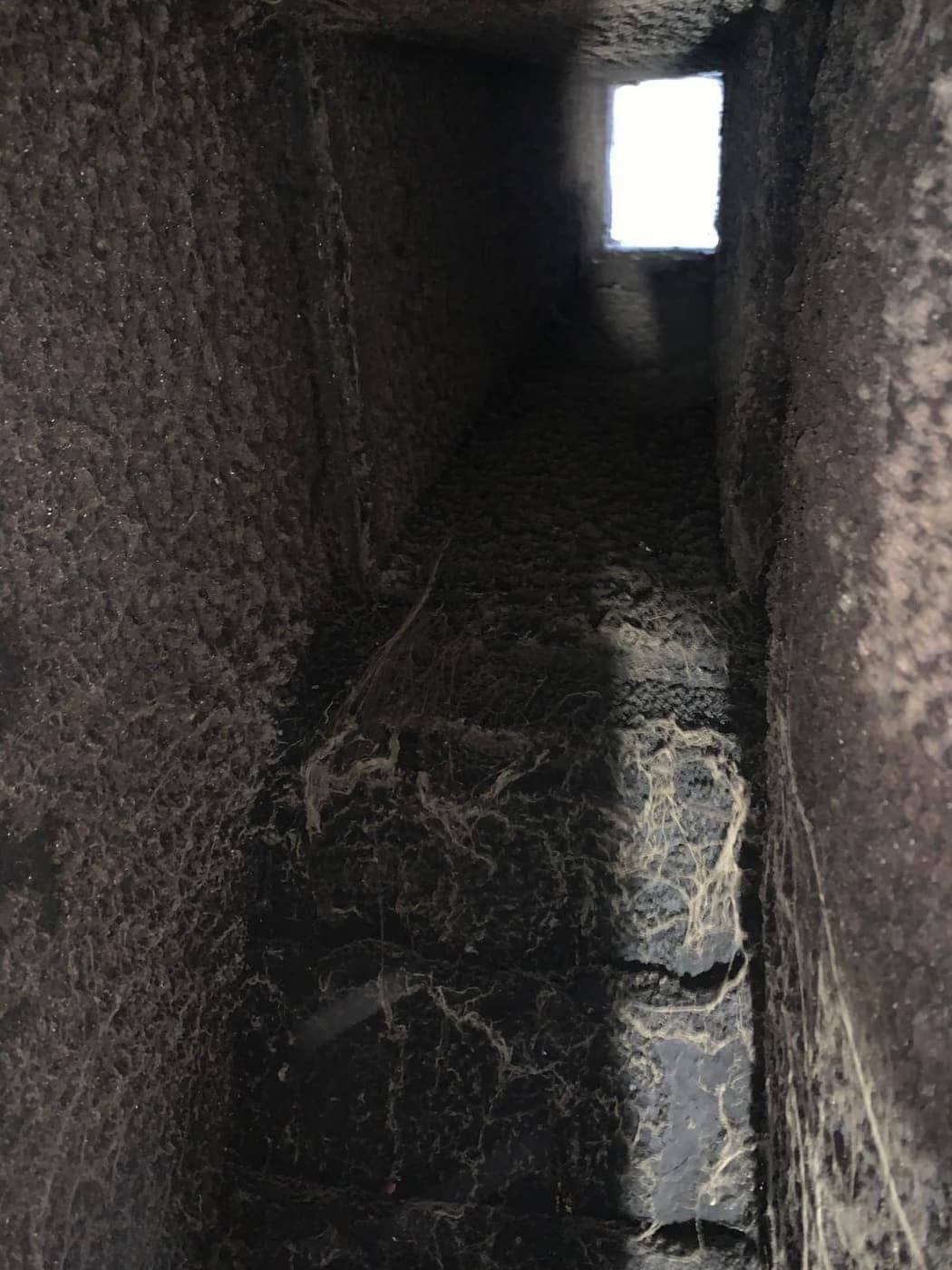
Creosote and soot build up a little with every fire, and most people only notice when smoke starts drifting back into the room. A sweep clears the flue from the firebox to the cap. We look up it with a camera first, so you know what was in there and what condition the flue is in once it is clean.
What a sweep is
A chimney sweep removes the creosote, soot and debris that collect inside a flue, from the firebox and smoke chamber up to the cap. It is the job that keeps a fireplace, a wood stove or an oil burner venting the way it should. NFPA 211, the national standard for chimneys and fireplaces, calls for an inspection at least once a year and a cleaning whenever the inspection finds buildup.
Where the buildup actually sits
The straight run of the flue is the easy part. The heaviest deposit tends to collect in the smoke chamber, the narrowing space just above the damper, and on the smoke shelf behind it, where debris and nesting material also land. Those are the parts a rushed job skips, and they are the parts we clear by hand. On older New Jersey chimneys that have burned coal, oil and gas over the decades, that area can hold residue from all three.
- The firebox and the damper
- The smoke chamber and smoke shelf
- The full height of the flue
- The cap, and any nest under it
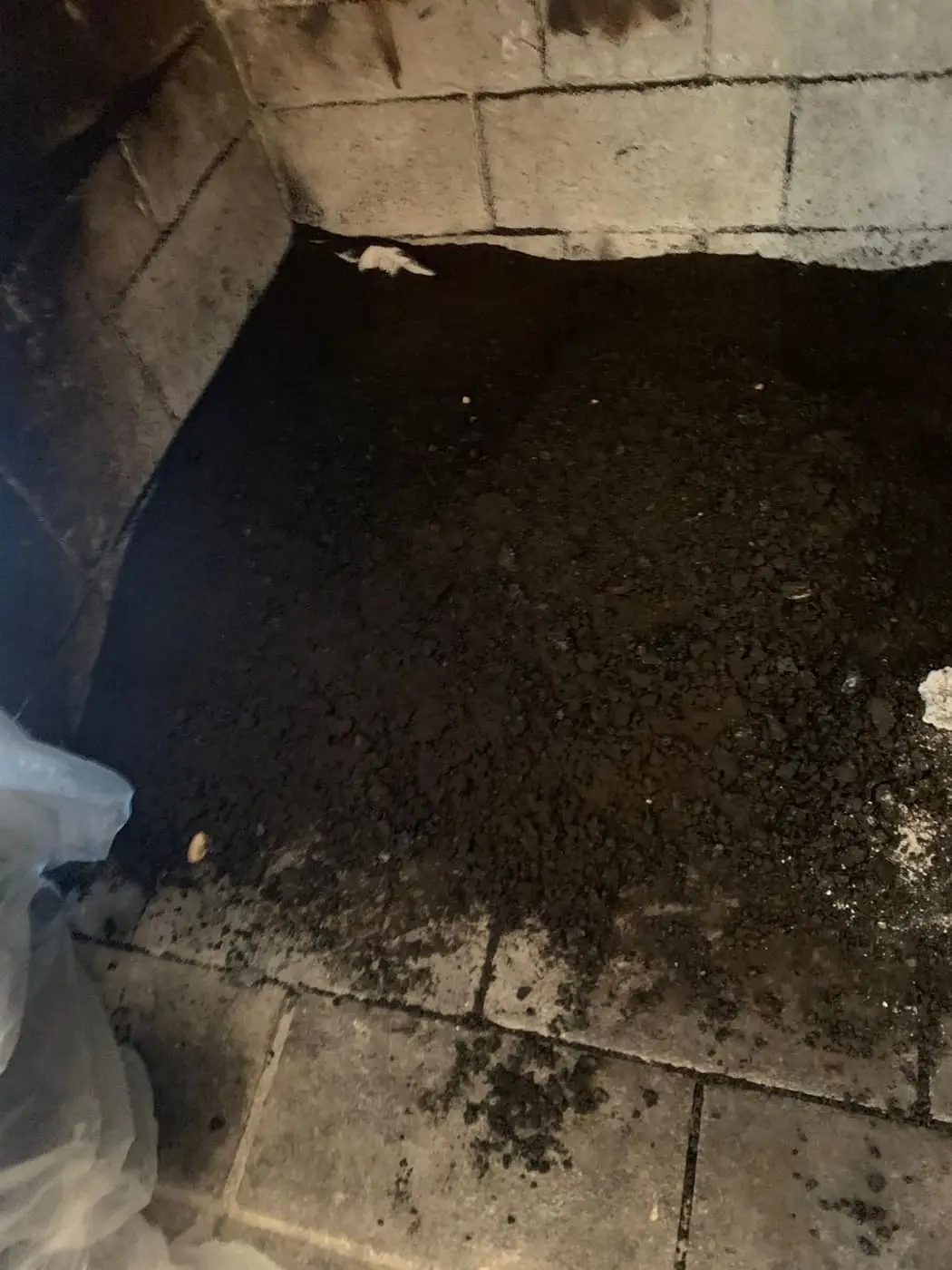
You see the inside of your flue on the screen before the brush goes in.
Camera first, then the brush
Before anything is cleaned, the camera goes up the flue and you can watch it with us. It shows the liner, the joints and the smoke chamber, and it tells us whether the deposit is the light, flaky kind a brush clears easily or the hard, glazed kind that needs a different tool. If the camera shows something a sweep will not fix, like a cracked tile or a gap in the liner, you hear about it before any work is quoted.
Wood, oil and gas flues
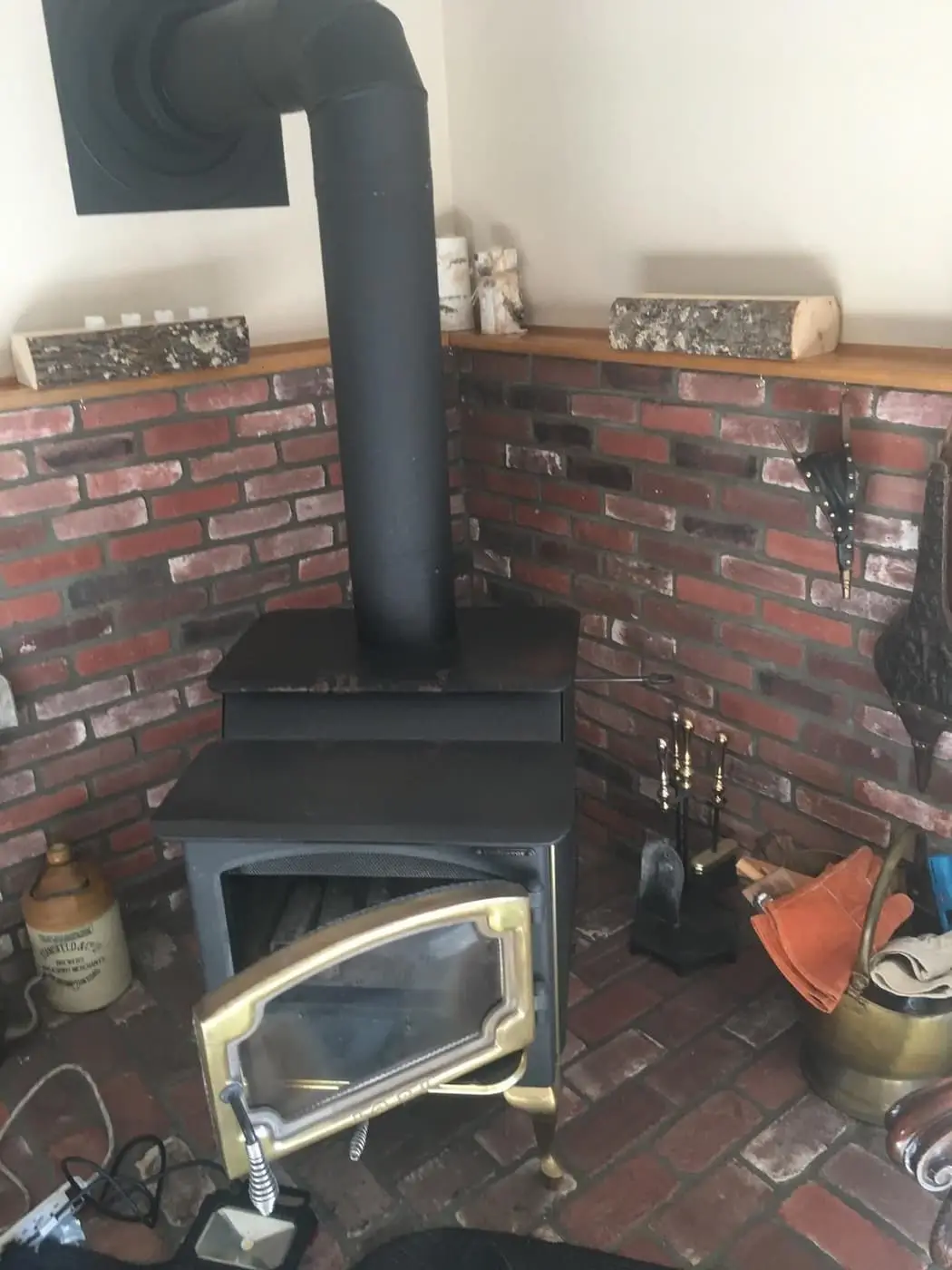
Not every chimney in our area burns wood. Many carry the exhaust of an oil burner or a gas boiler or water heater, and each fuel leaves something different behind. Oil leaves a heavy, sooty deposit. Gas leaves little soot but its exhaust is wet, so the condition of the liner matters more. We match the tools and the checks to what your flue actually carries.
- Wood fireplaces, stoves and inserts
- Oil burner flues, with the liner checked
- Gas appliance vents, checked for a clear path
- Shared stacks in two-family and multi-family houses
When a sweep comes before other work
In New Jersey, replacing a furnace, boiler or water heater that burns fuel comes with a chimney verification form, UCC F370, which the installer fills in for the permit. The form asks whether the existing flue is in a fit state for the new appliance. A sweep and camera inspection before the installer arrives answers that question with photographs, and it means nobody is guessing about a flue that has not been looked at in years.
From our Google listing
Photos from our listing
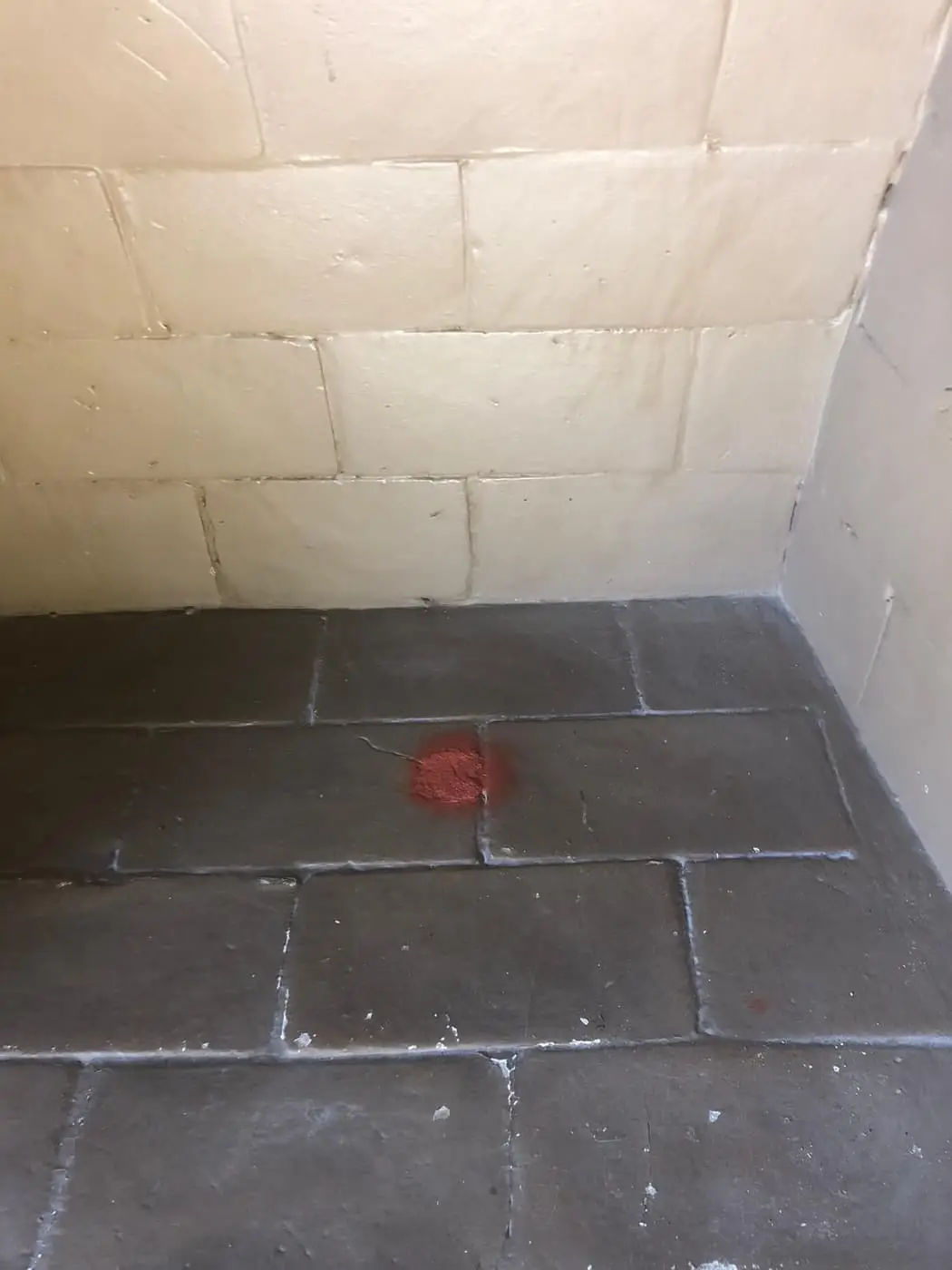
A swept firebox with pale firebrick walls
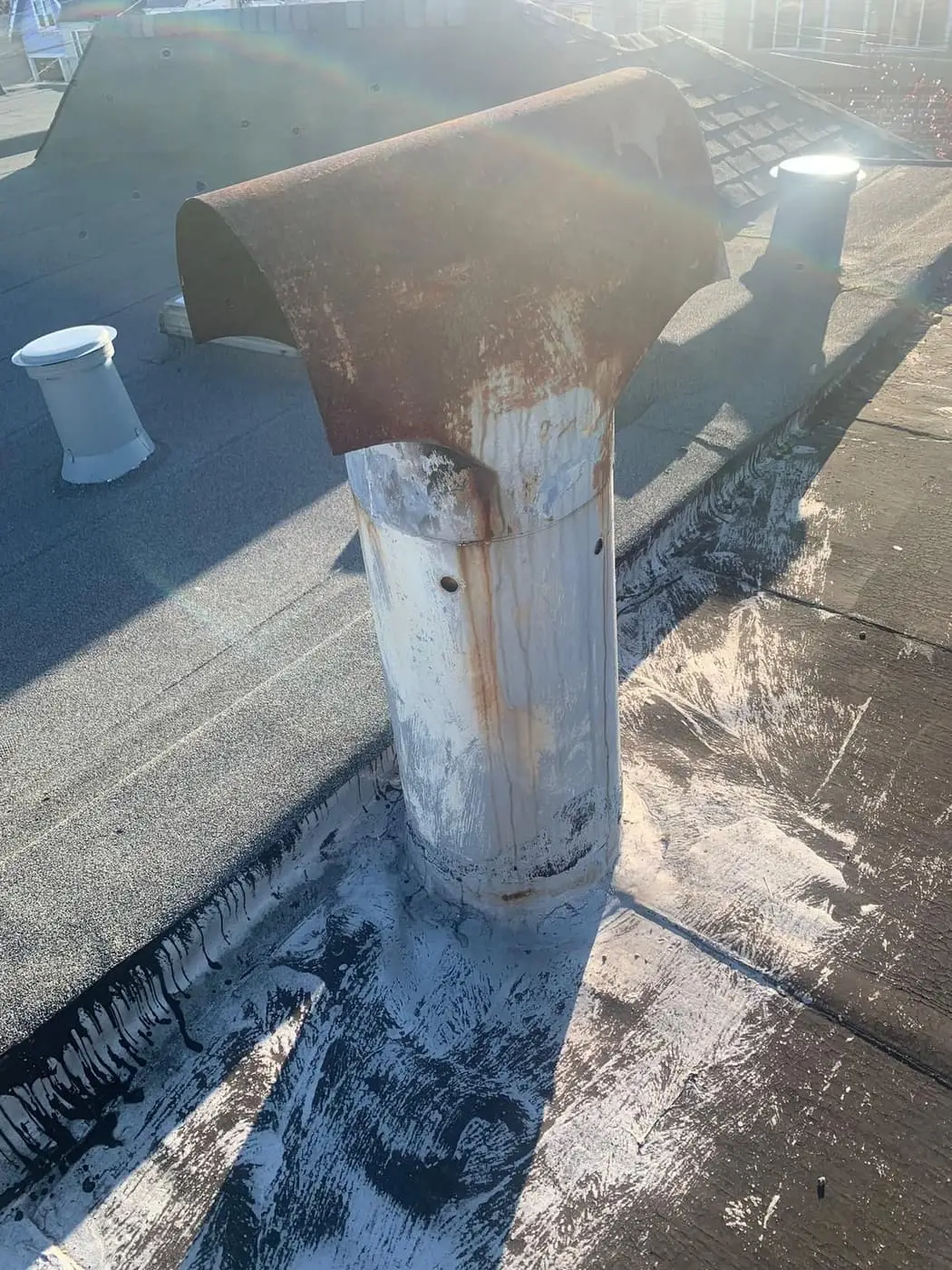
A rusted cap on a vent pipe, flat roof
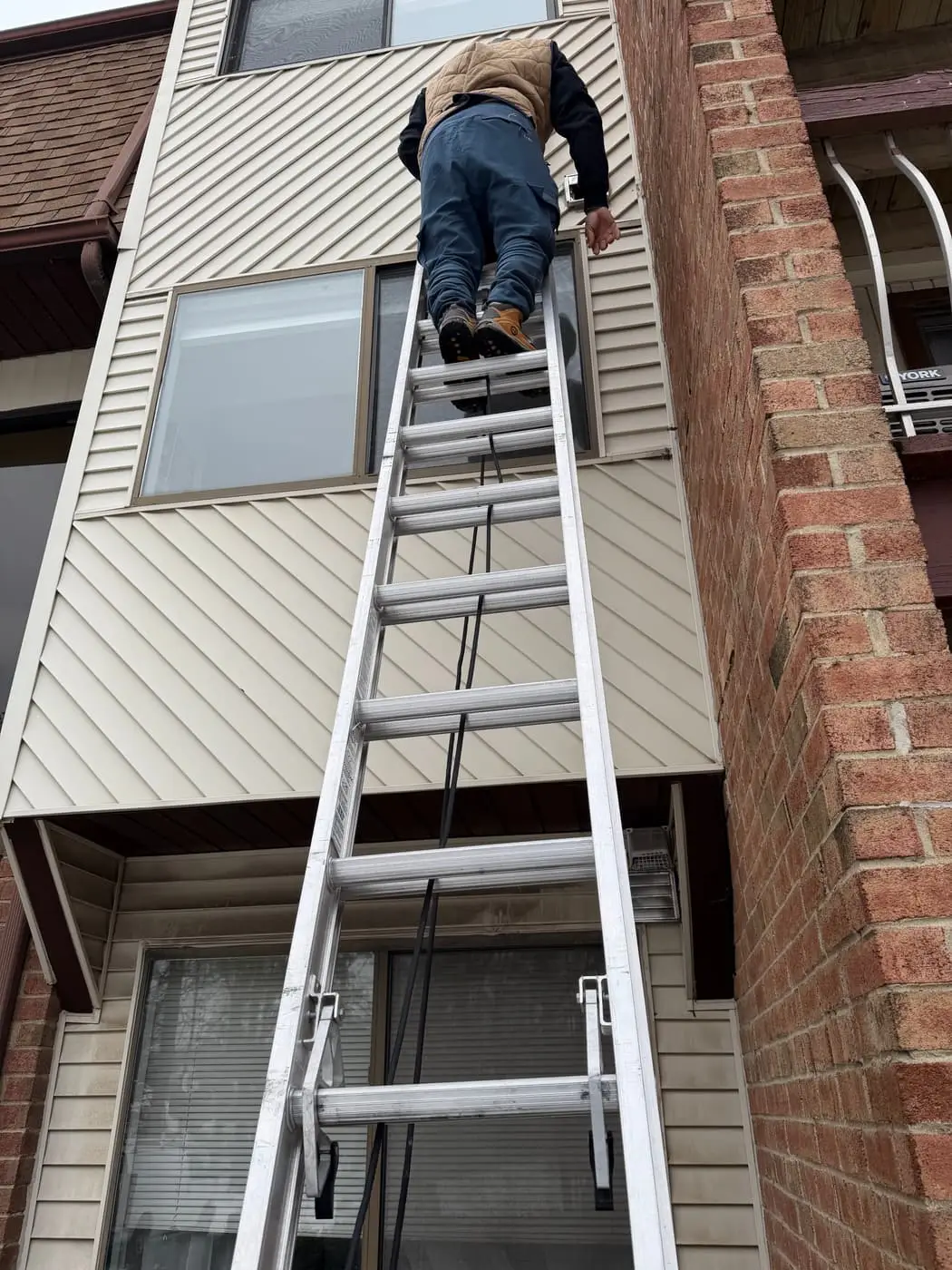
A technician on an extension ladder
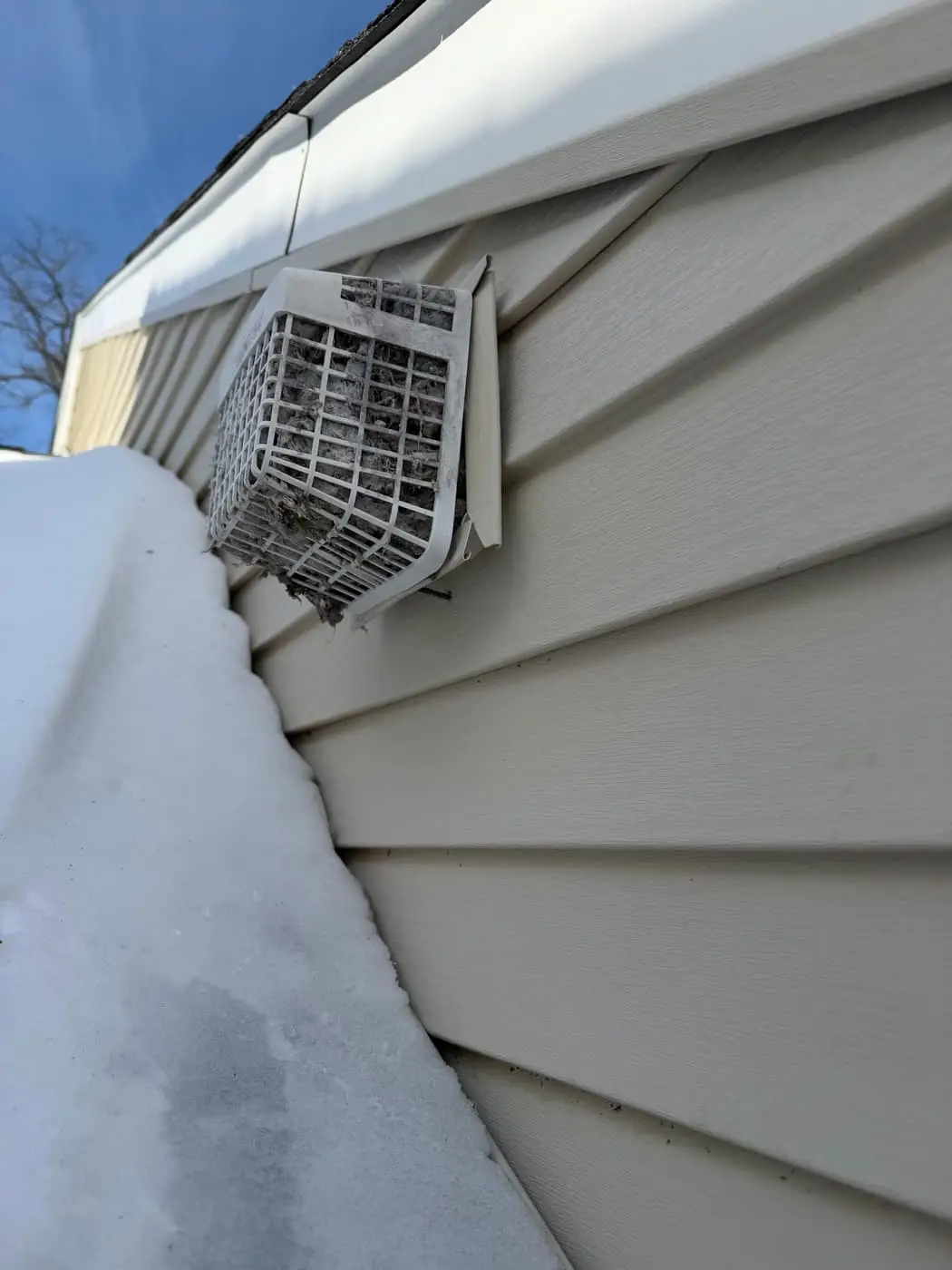
A dryer hood packed with lint above snow
Recent reviews from our Google listing
A selection of our 5-star reviews on Google.
Flexible driving rods swept the whole height of the chimney from the ground up, keeping high altitude roof dangers down while getting a pristine flue barrel.
After four seasons of burning cordwood in an EPA-certified catalytic insert, relief was complete when the ceramic honeycomb combustor was gently cleaned out, without a single fin broken.
To guarantee that the cleaned flue maintained a consistent laminar flow throughout, devoid of eddy currents and reverse air roll, pressure testing was undertaken.
Questions about chimney sweeping
Will the sweep make a mess in the house?
Drop cloths go over the hearth and the floor in front of it before anything is touched, and the soot that comes down is vacuumed up as we work.
Can I see what the camera finds?
Yes. You can watch the camera with us during the visit, and anything worth noting is photographed for your written findings.
How often should a chimney be swept?
NFPA 211 calls for an inspection at least once a year, and a cleaning when the inspection finds buildup. A fireplace or stove used through the winter usually needs a sweep every year.
Our heat is oil, and we never use the fireplace. Do we still need a sweep?
The oil burner flue does. Oil leaves a heavy deposit, and that flue gets swept and checked even if the fireplace next to it is never lit.
Does a sweep need a permit?
No. Sweeping and inspection are not permit work. A permit only comes into it if a repair or a new liner is needed.