
Fireplace and stove service for the appliance side of the chimney
The chimney is only half of a working fireplace. The damper has to open and close, the doors have to seal, and a wood stove needs its gaskets and stovepipe in good shape. We service the appliance side and check the flue above it on the same visit, so the whole system is ready before the cold arrives.
What this service covers
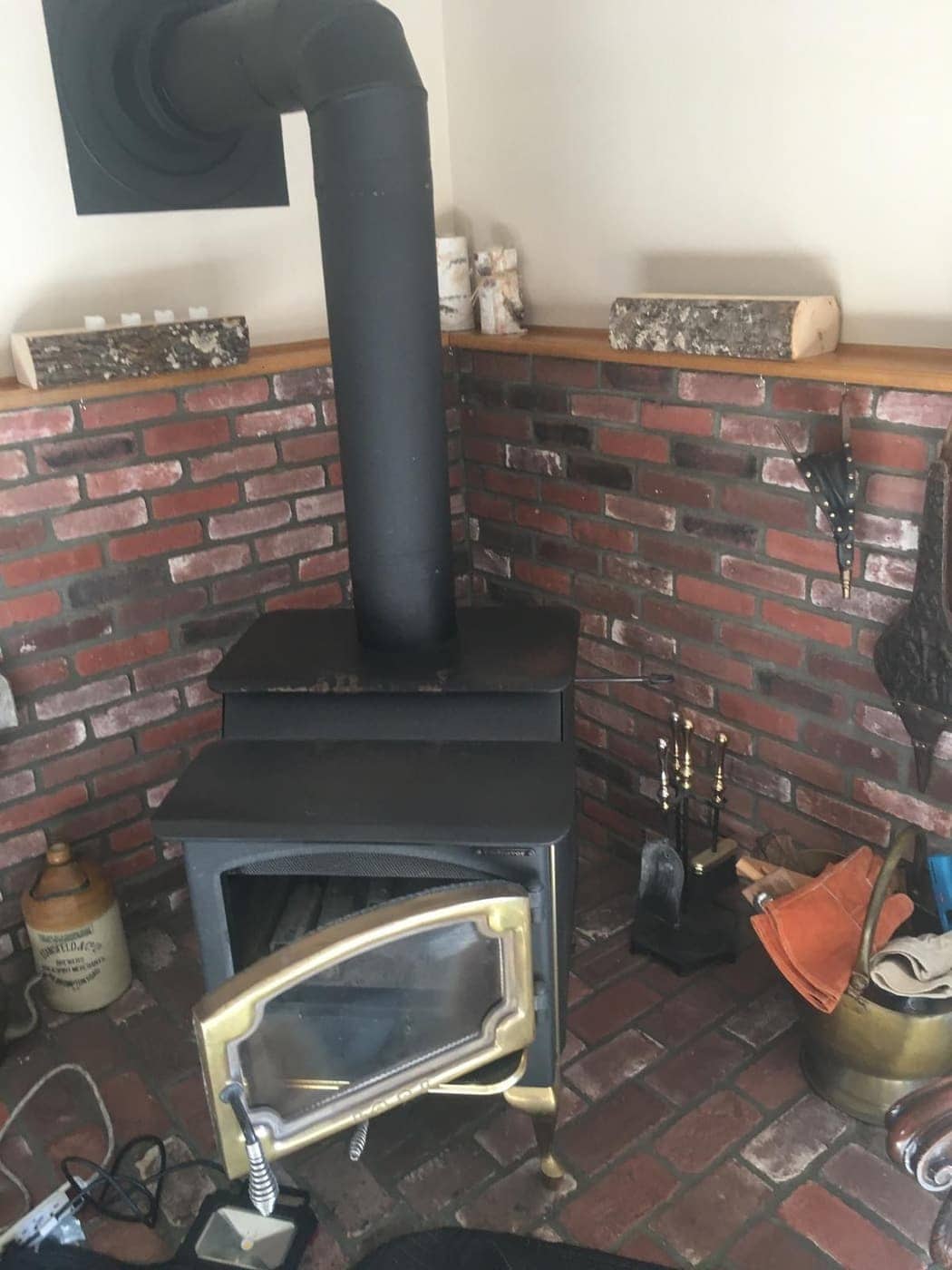
Fireplace and stove service looks after the parts you see from the room. That means the damper, the firebox and its firebrick, glass doors and their gaskets, wood stoves and inserts, and the stovepipe that connects a stove to the chimney. A problem down here, like a damper that sticks or a door that leaks air, changes how the whole chimney drafts.
Fireboxes and dampers
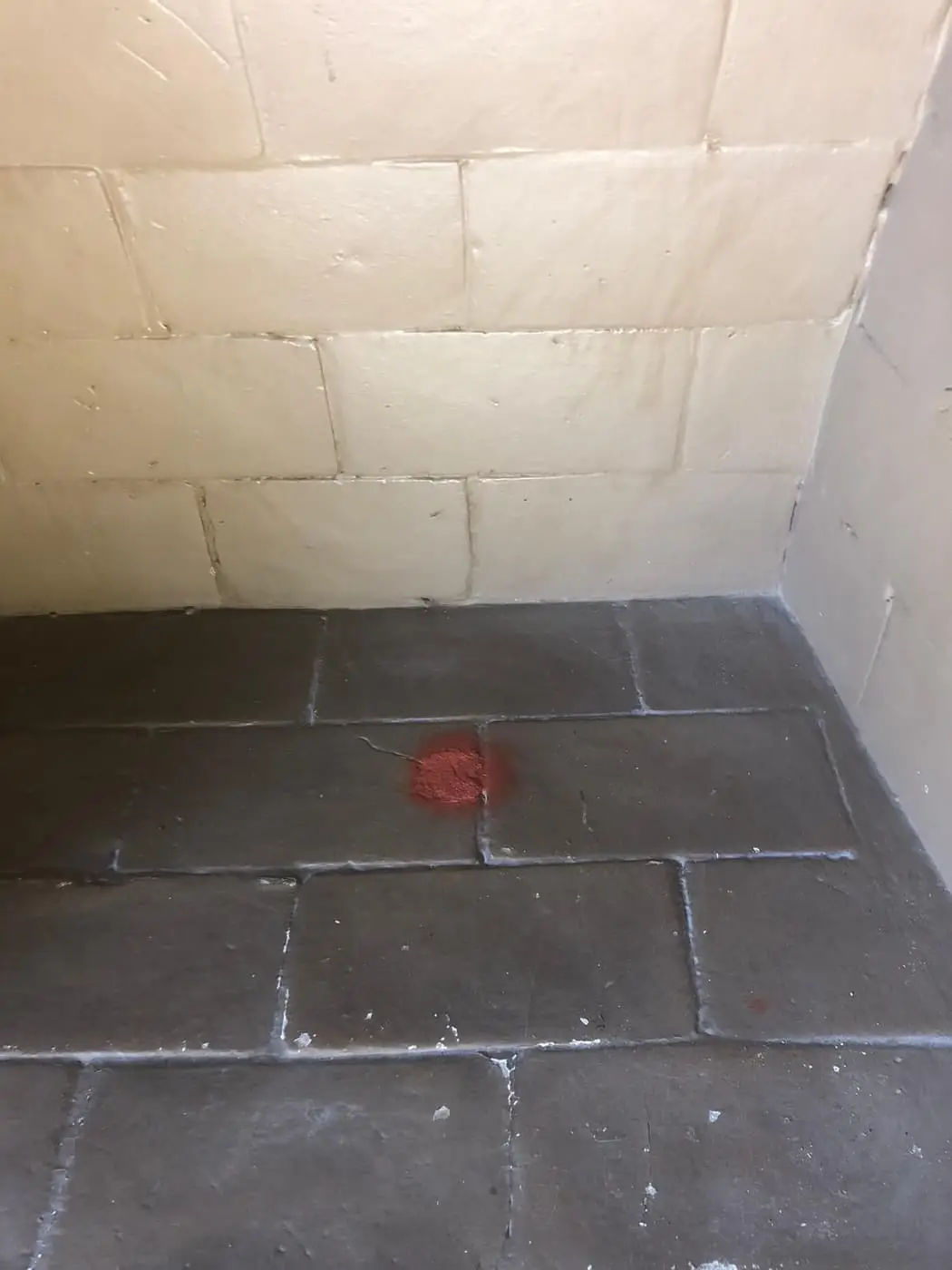
The firebox takes the most heat in the house, and cracked firebrick or open mortar joints there let that heat reach parts of the house that were never meant to see it. The damper above it should open fully when the fire is lit and close tightly when it is not. We check both, clean them and tell you what needs repair.
- Cracked or loose firebrick
- Gaps in the firebox mortar
- Damper plates that warp or rust
- Dampers that will not seal
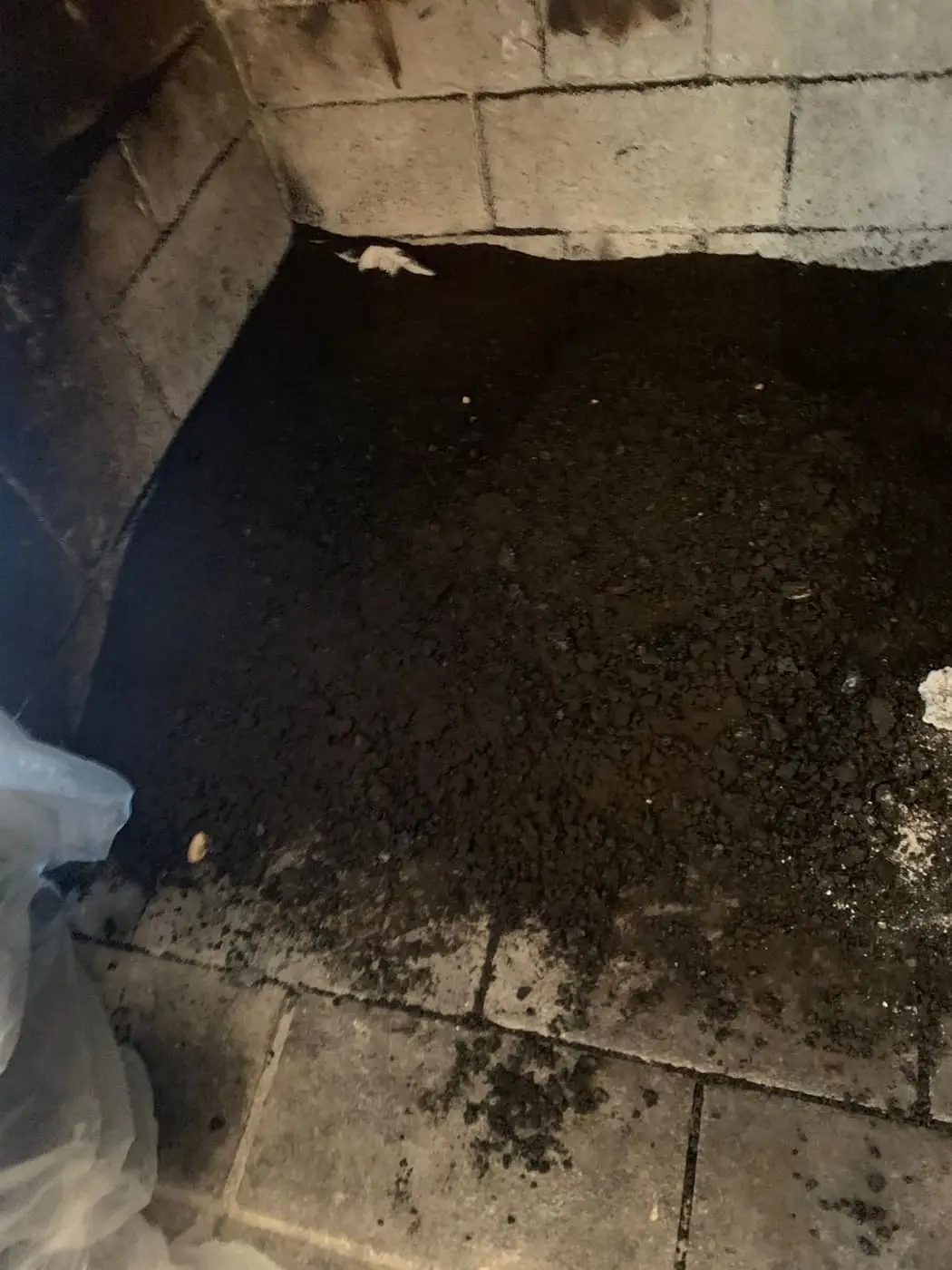
A damper that will not close is an open window up your chimney all winter.
Wood stoves and inserts
A wood stove or insert burns hotter and more efficiently than an open fireplace, and it depends on tight door gaskets and a clean stovepipe to do it. Worn gaskets let in extra air, the fire burns harder than it should, and the glass blackens quickly. We check the gaskets, the glass, the baffle and the stovepipe connection, and sweep the flue the stove vents into.
Before the first fire of the season
The best time to have a fireplace or stove looked at is before you need it. A visit in late summer or early fall covers the appliance and the flue together.
- The damper opens and closes fully
- Doors and gaskets seal
- The firebox is sound
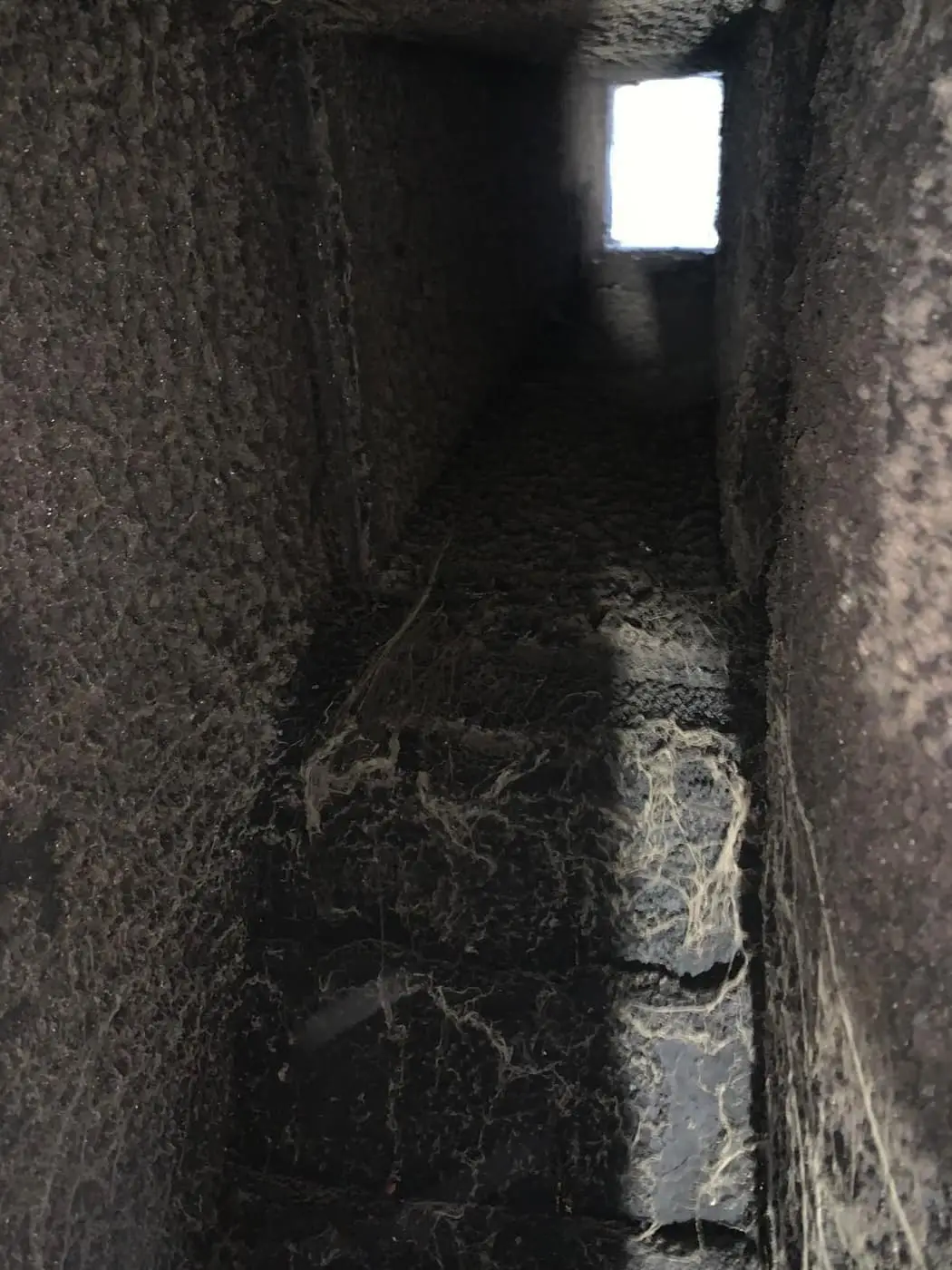
- The flue above is swept and checked
Gas fireplaces and logs
A gas fireplace still has a vent or a flue, and that vent needs to be clear. We check that the vent path is open and the termination outside is not blocked by a nest or debris. Work on the gas valve, burner or pilot itself belongs to a licensed gas technician, and if we find a problem there, we tell you so you can call one.
From our Google listing
Photos from our listing
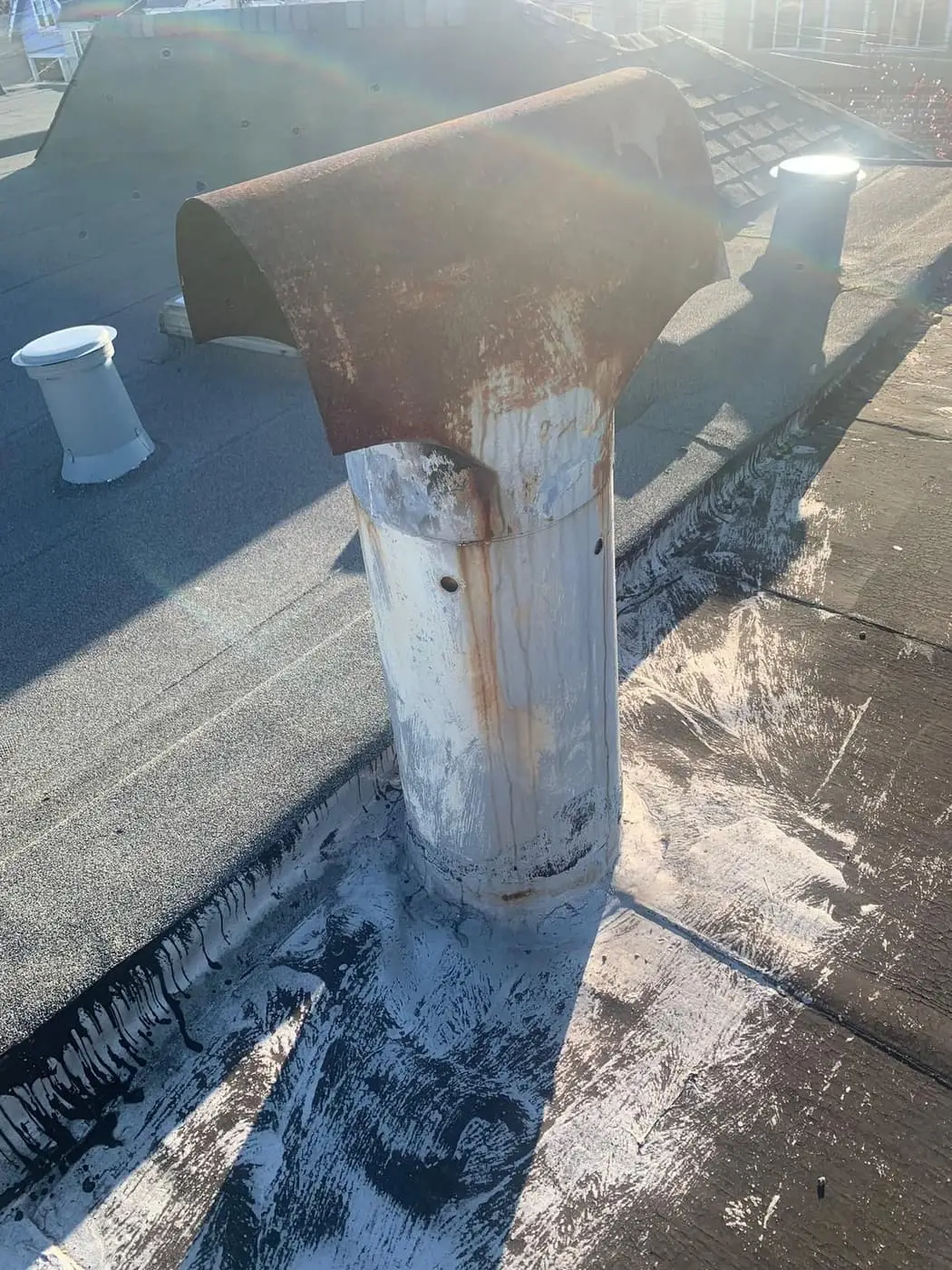
A rusted cap on a vent pipe, flat roof
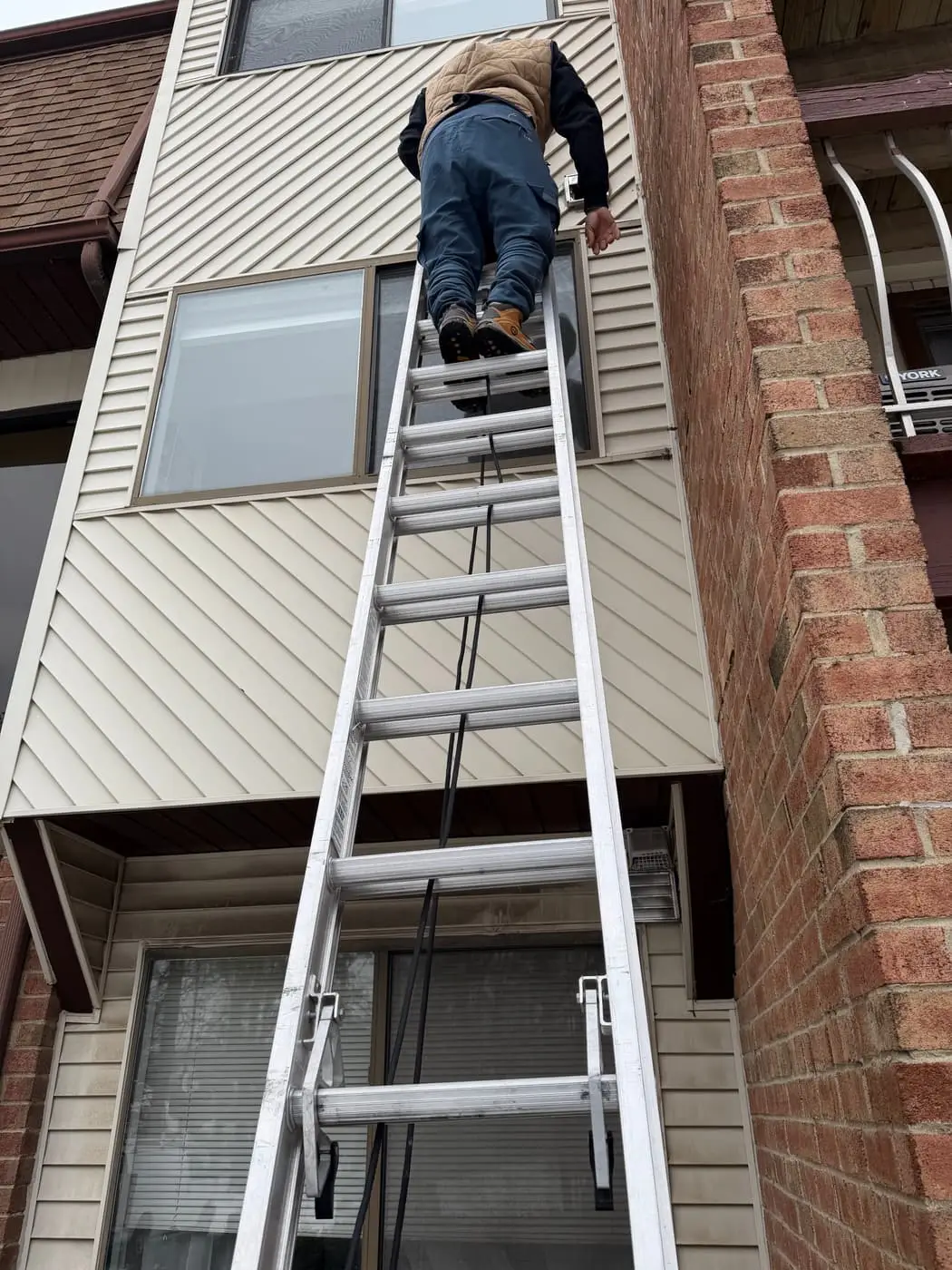
A technician on an extension ladder
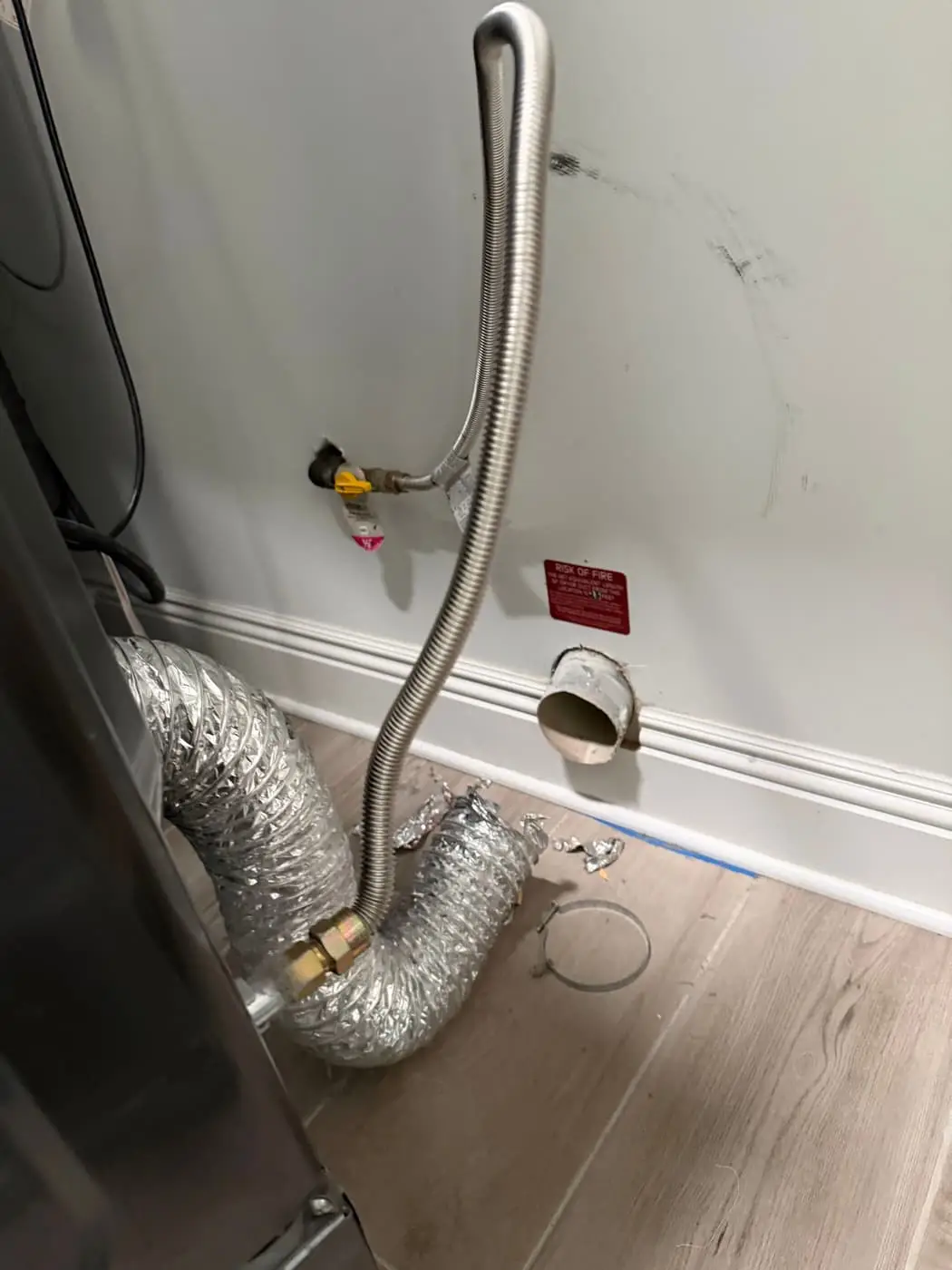
A crumpled foil duct behind a dryer
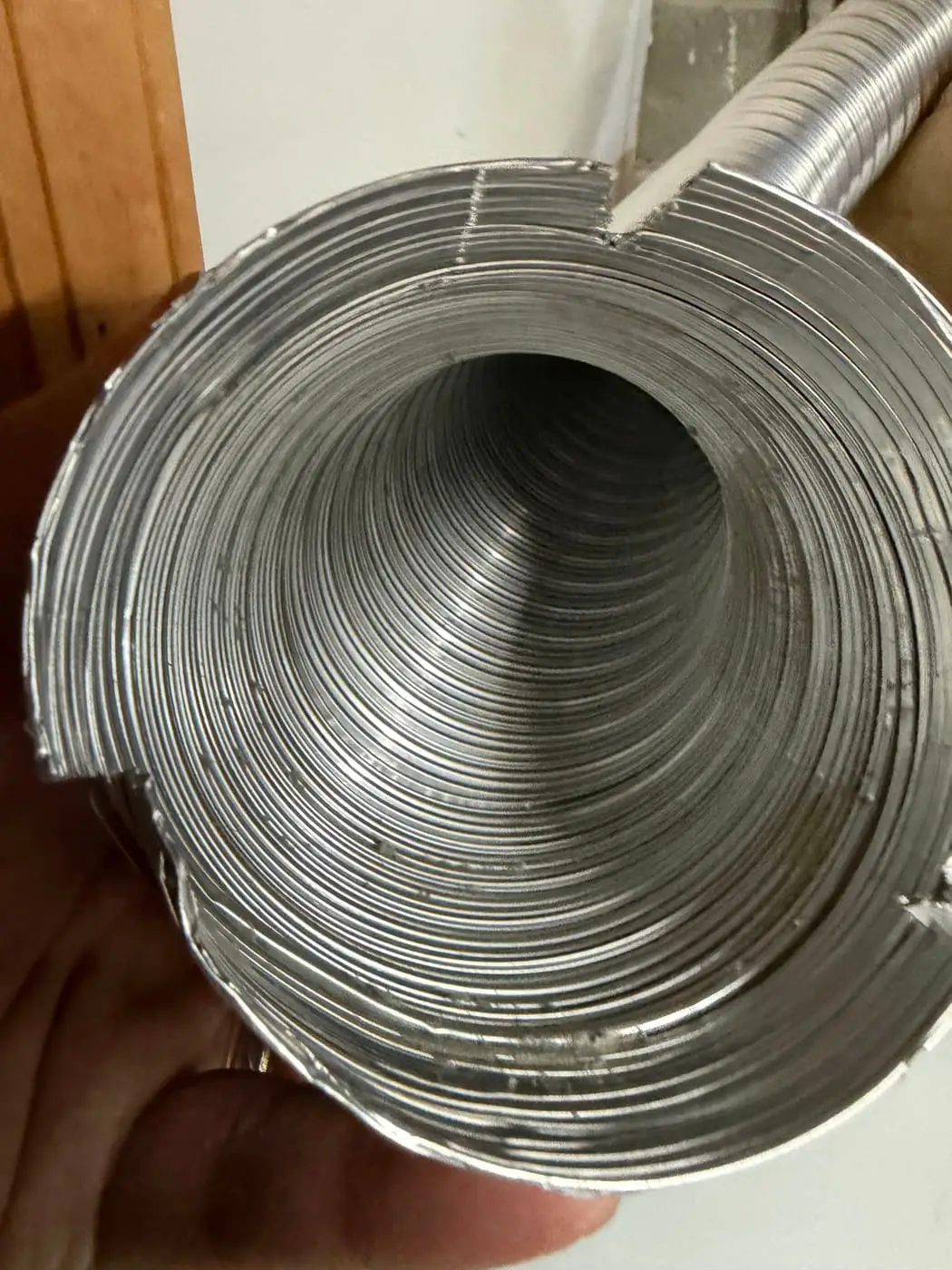
A coil of flexible aluminum duct
Recent reviews from our Google listing
A selection of our 5-star reviews on Google.
Flexible driving rods swept the whole height of the chimney from the ground up, keeping high altitude roof dangers down while getting a pristine flue barrel.
After four seasons of burning cordwood in an EPA-certified catalytic insert, relief was complete when the ceramic honeycomb combustor was gently cleaned out, without a single fin broken.
To guarantee that the cleaned flue maintained a consistent laminar flow throughout, devoid of eddy currents and reverse air roll, pressure testing was undertaken.
Questions about fireplace and stove service
Our damper will not close all the way. Can it be fixed?
Usually. Dampers stick from rust, soot buildup or a warped plate. We clean and adjust it, and if the plate is beyond repair we tell you the options.
The glass on our wood stove turns black quickly. Why?
Often worn door gaskets or wet wood. We check the gaskets and the draft, and the flue the stove vents into.
Do you work on gas fireplaces?
We check the vent and the outside termination. Repairs to the gas valve, burner or pilot belong to a licensed gas technician.
When should we book before winter?
Late summer or early fall, before you need the fireplace. That leaves time for any repair the visit turns up.